
Identification, concerns, insurability, how we report it, and how to repair it.
Quick summary: Single-strand aluminum wiring used on 120-volt branch circuits in homes built from about 1965 to 1972 is a known fire hazard. It is reported on both our home inspections and 4-Point inspections, and is considered unacceptable for insurance unless it has been repaired correctly. Multi-strand aluminum wiring and newer single-strand aluminum wiring are not the same product and are not reported as a concern.
Introduction: Not All Aluminum Wiring Is the Same
“Aluminum wiring” is one of the most misunderstood findings in a home inspection. Many homes, including brand-new homes, have some aluminum wiring, and most of it is perfectly acceptable. For inspection and insurance purposes, we group aluminum wiring into three types:
1. Older Single-Strand Aluminum Branch Wiring, 1965–1972 (Concern)
Solid, single-strand aluminum wire used for the 120-volt branch circuits that feed outlets, switches and light fixtures. This is the wiring the U.S. Consumer Product Safety Commission (CPSC) has warned about for decades. It is reported on home inspections and 4-Point reports.
2. Multi-Strand (Stranded) Aluminum Wiring (Not a Concern)
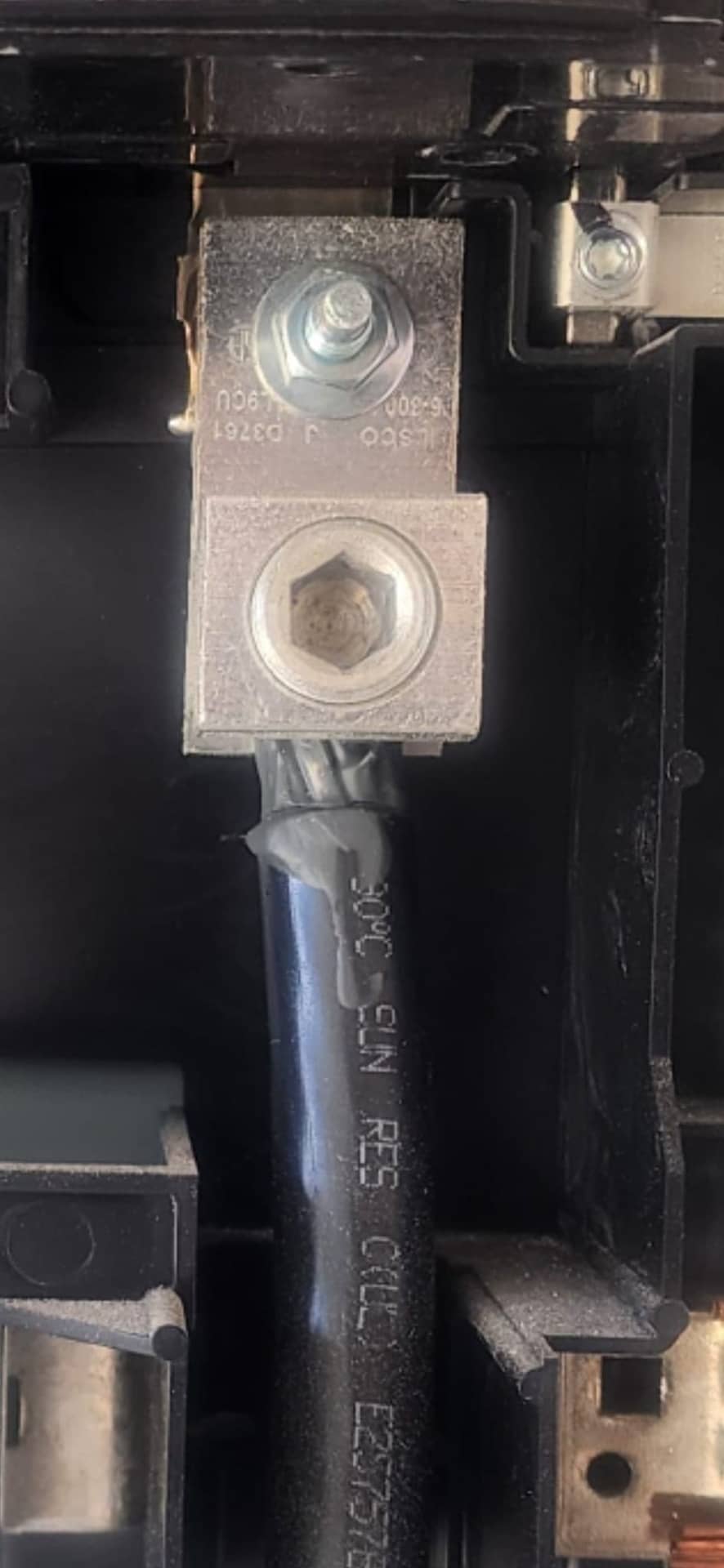
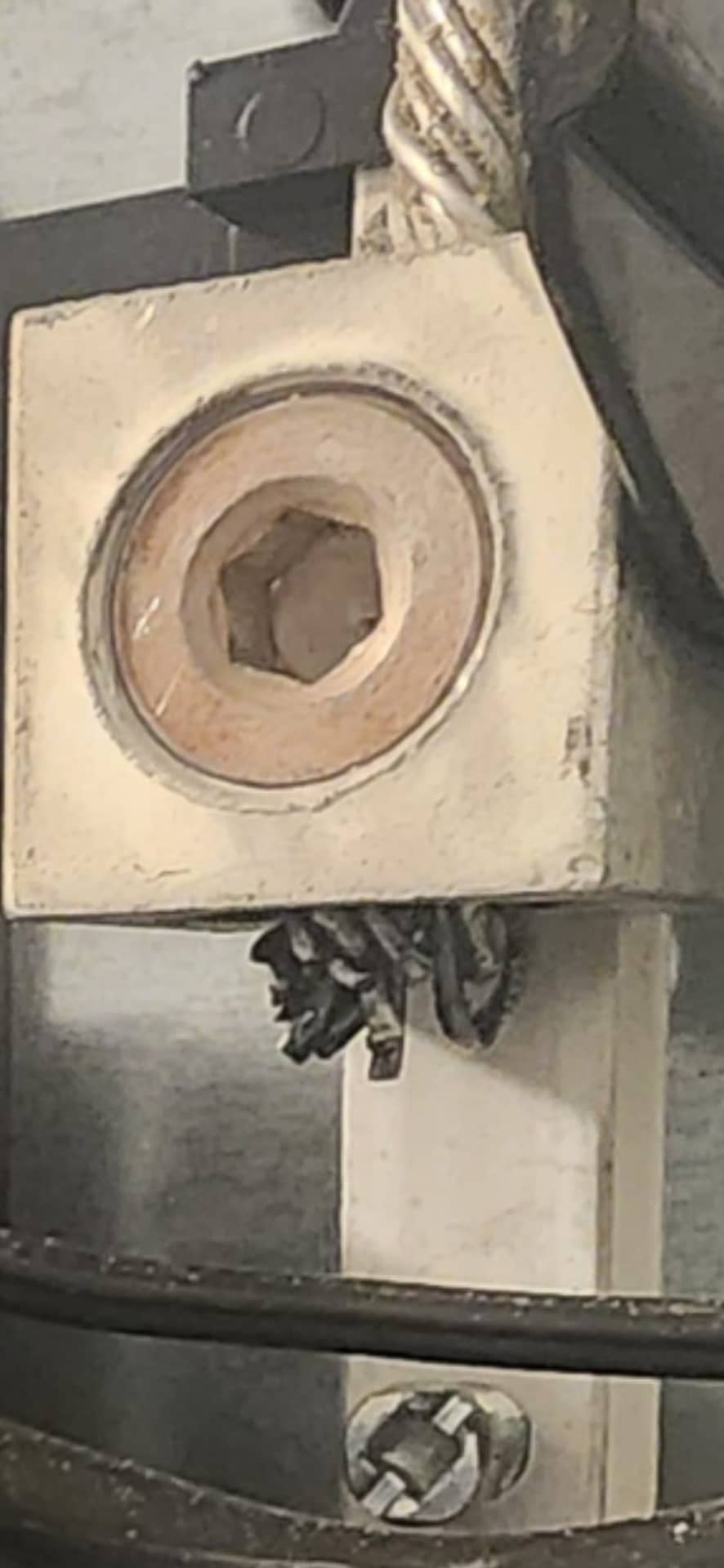
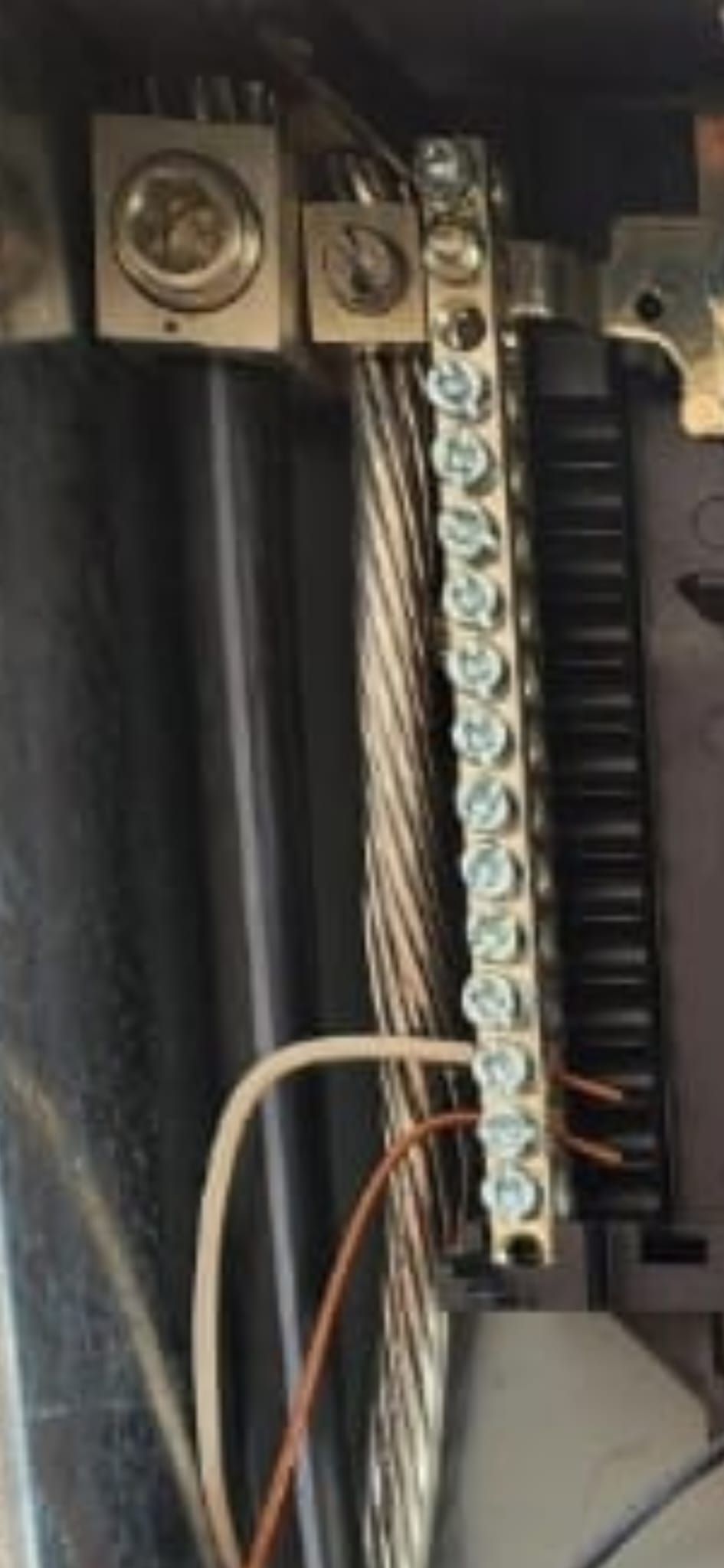
Large-gauge stranded aluminum conductors used for service entrance cables, feeders to sub-panels, and large appliance circuits. This wiring is common in homes of every age and is still installed today. It is not reported as a concern.
3. Newer Single-Strand Aluminum Wiring, 240-Volt (Not a Concern)
Modern single-strand aluminum wiring made from newer aluminum alloys, found in homes built after 2000 and used on dedicated 240-volt appliance circuits. It is not reported as a concern.
1. Older Single-Strand Aluminum Branch Wiring (1965–1972) – Concern
During the mid-1960s the price of copper rose sharply, and builders began using single-strand aluminum wire for general household branch circuits. According to the CPSC, aluminum branch circuit wiring was installed in homes from about 1965 to the early-to-mid 1970s. By around 1972 the wire and the devices it connected to had been redesigned, but a large number of homes built during this period still contain the original wiring.
Why It’s a Concern
The wire itself is not usually the problem. The connections are. Every outlet, switch, light fixture, splice and breaker is a point where the wire can fail. Research by the CPSC found that homes built before 1972 and wired with aluminum are 55 times more likely to have one or more connections reach “Fire Hazard Conditions” than homes wired with copper.
Connections fail because of the properties of the older aluminum alloy:
- Oxidation: Aluminum forms an oxide layer that conducts electricity poorly, increasing resistance and heat at the connection.
- Thermal expansion: Aluminum expands and contracts more than copper as it heats and cools, gradually loosening terminal screws.
- Creep (cold flow): The soft metal slowly deforms under the pressure of a terminal screw, loosening the connection over time.
- Dissimilar metals: When aluminum is connected directly to copper or to devices not rated for aluminum, galvanic corrosion can occur.
A loose, high-resistance connection generates heat. That heat makes the problem worse, and the cycle can continue until the connection overheats, melts the device or ignites nearby materials. The CPSC notes that connections can fail and overheat without any prior warning signs.
How to Identify Problematic Aluminum Wiring
Problematic aluminum wiring is single-strand (solid) aluminum wire on 120-volt branch circuits in homes built or expanded from 1965 to 1972. Look for:
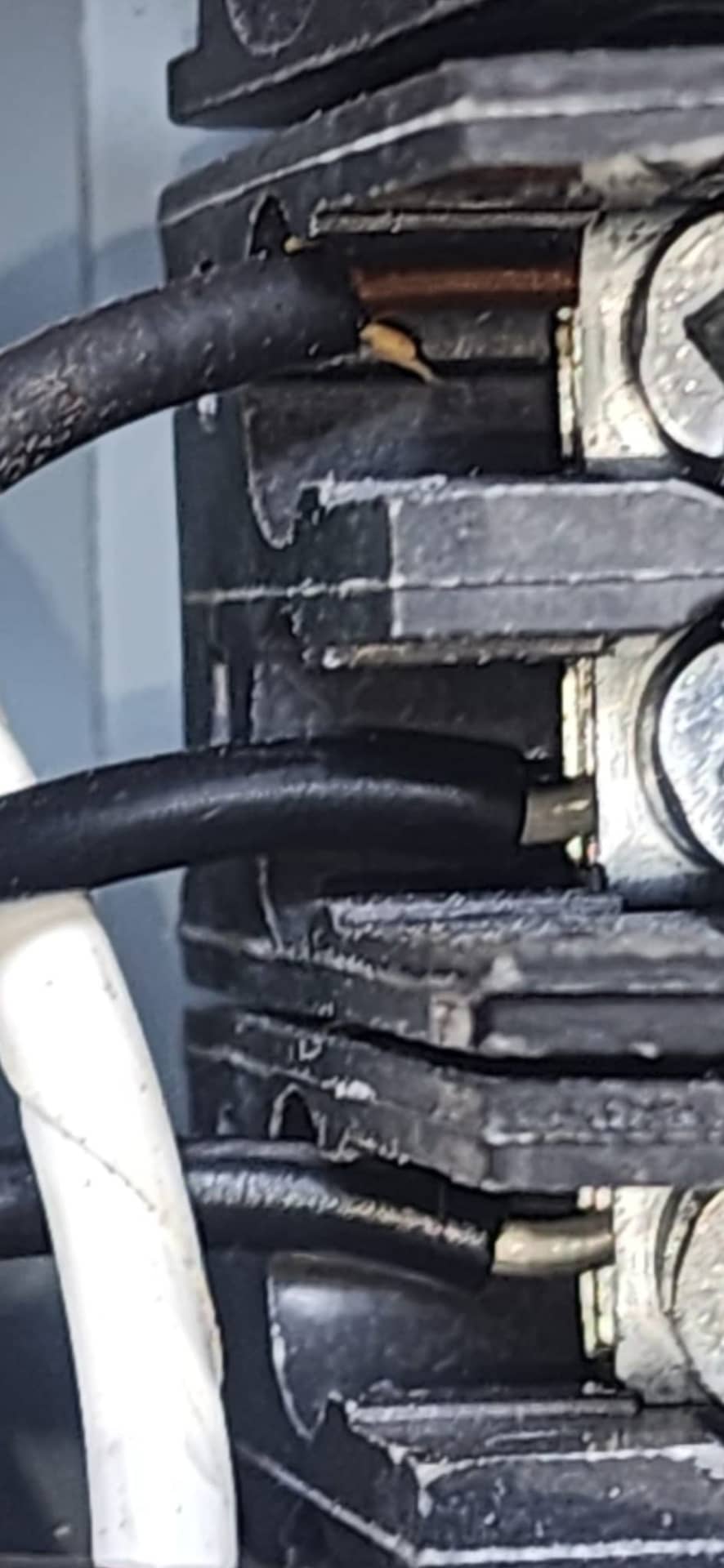
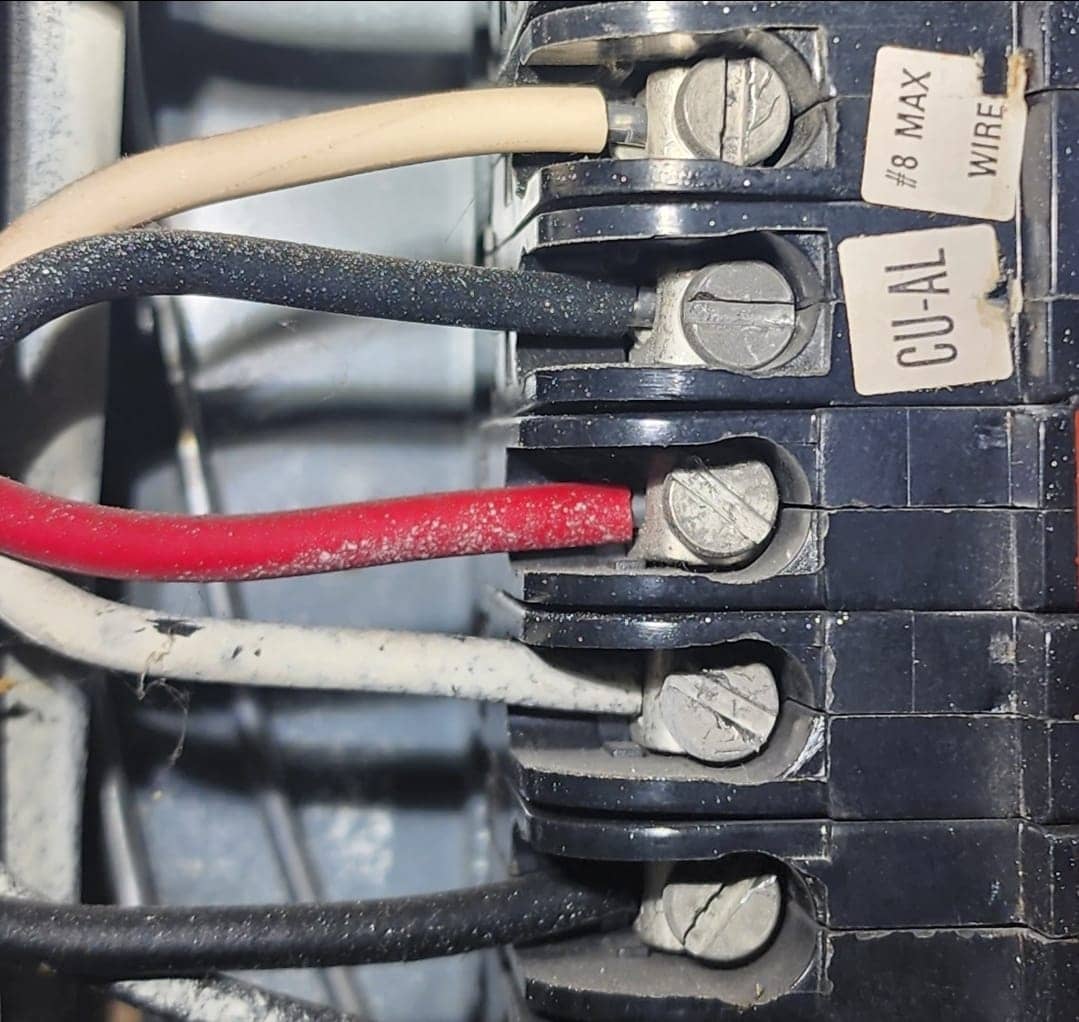
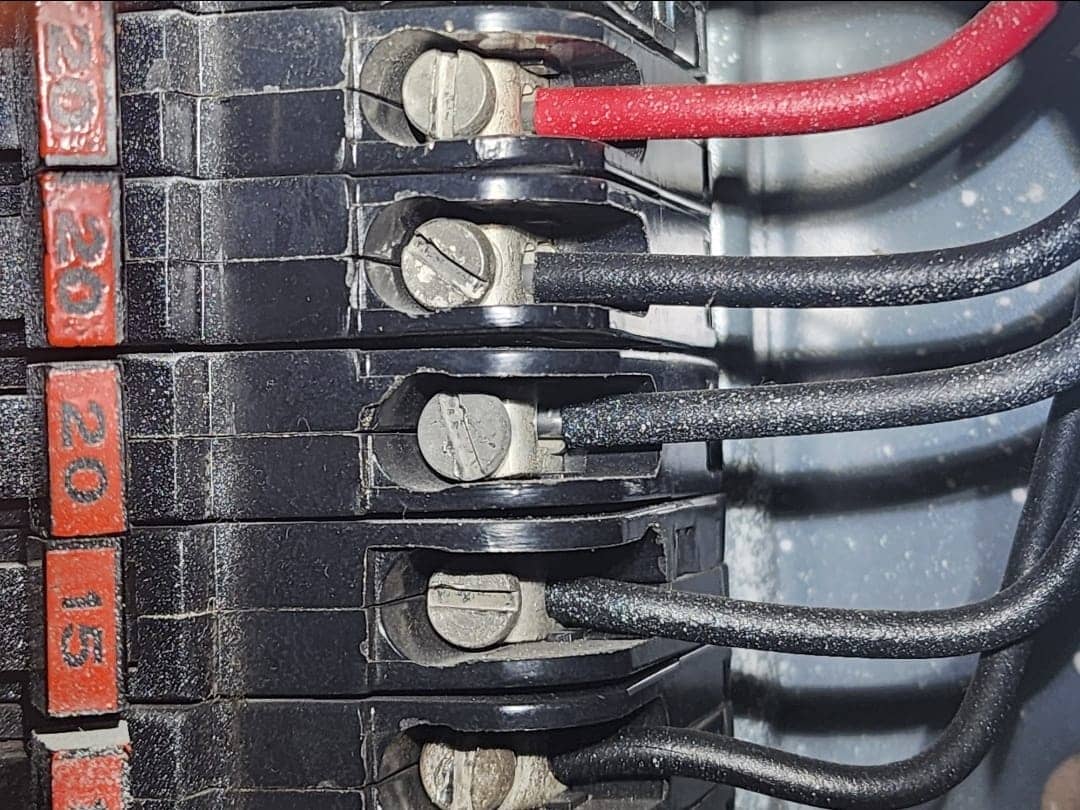
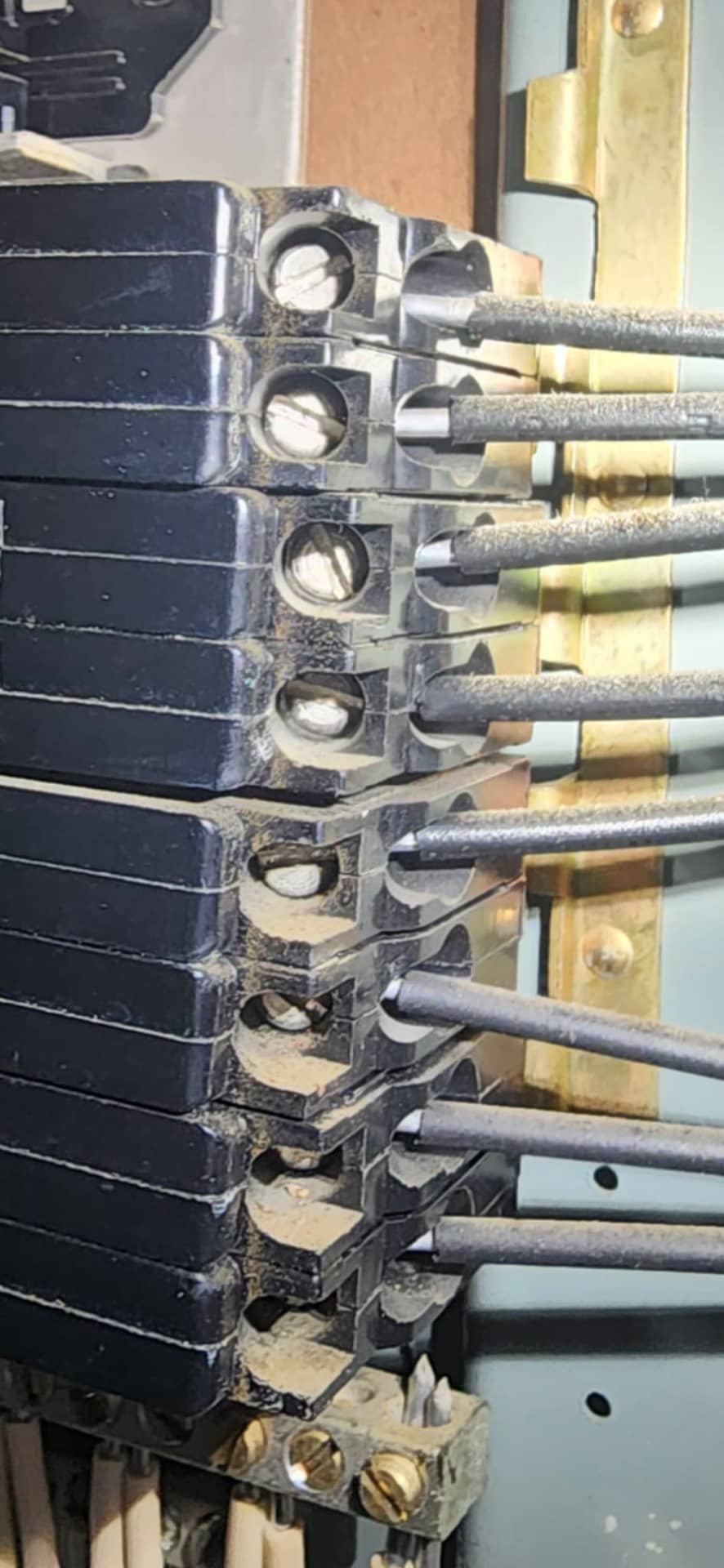
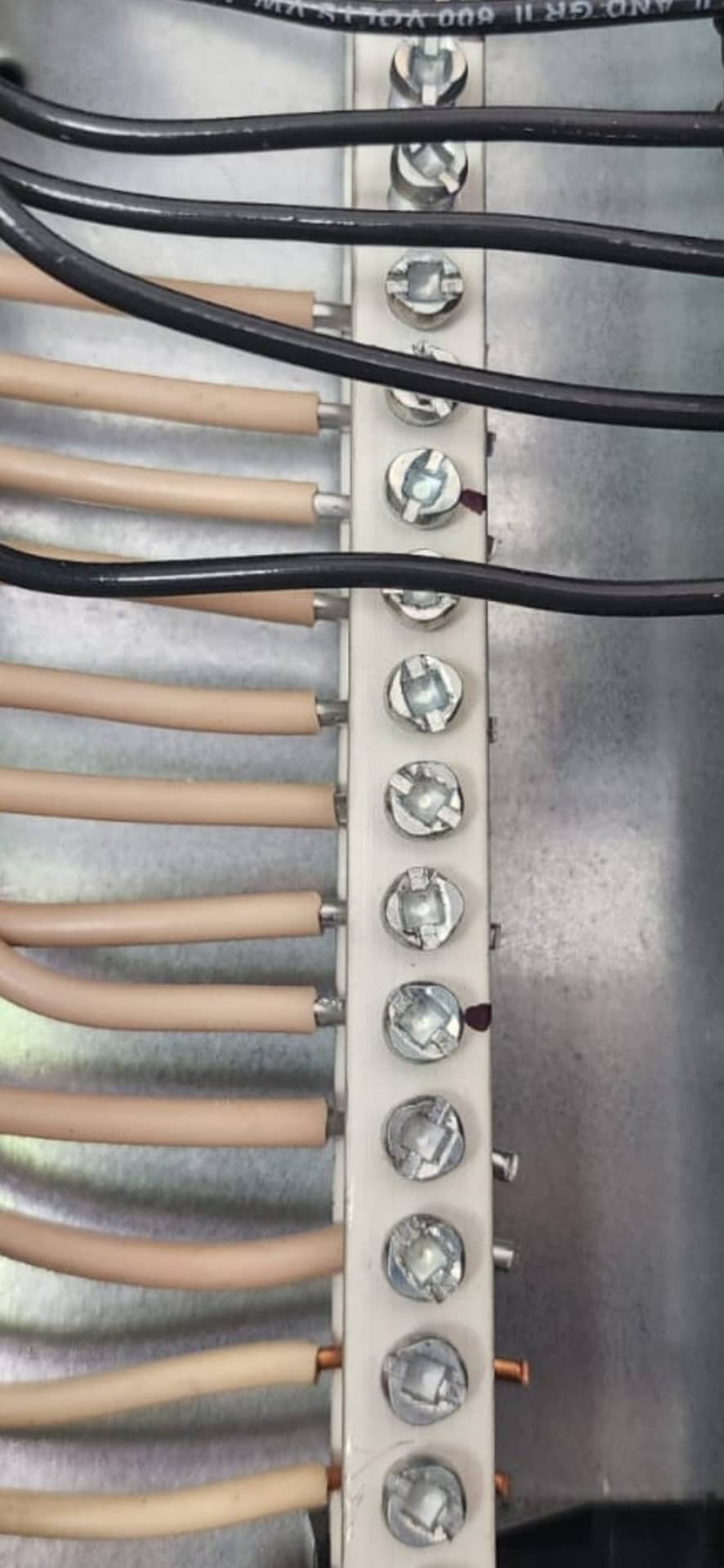
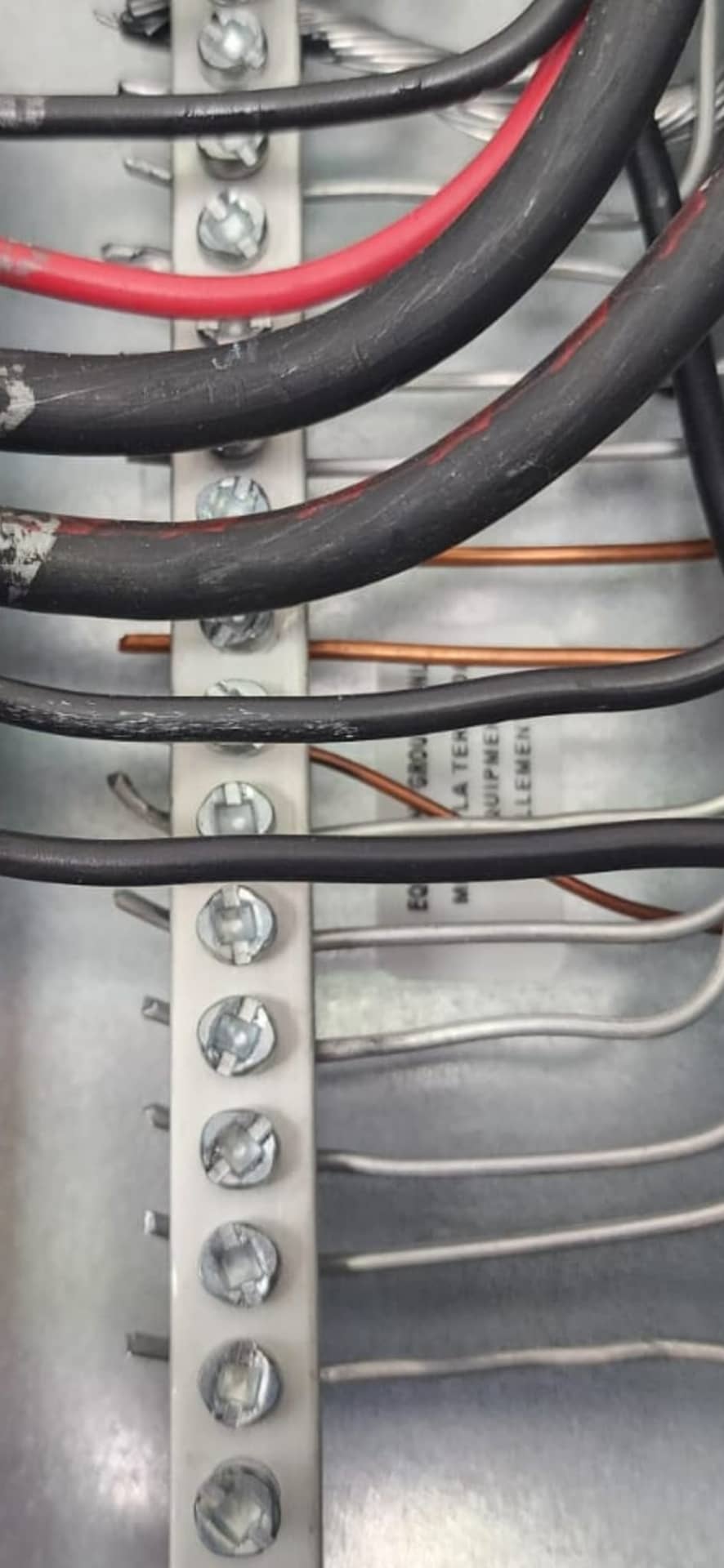
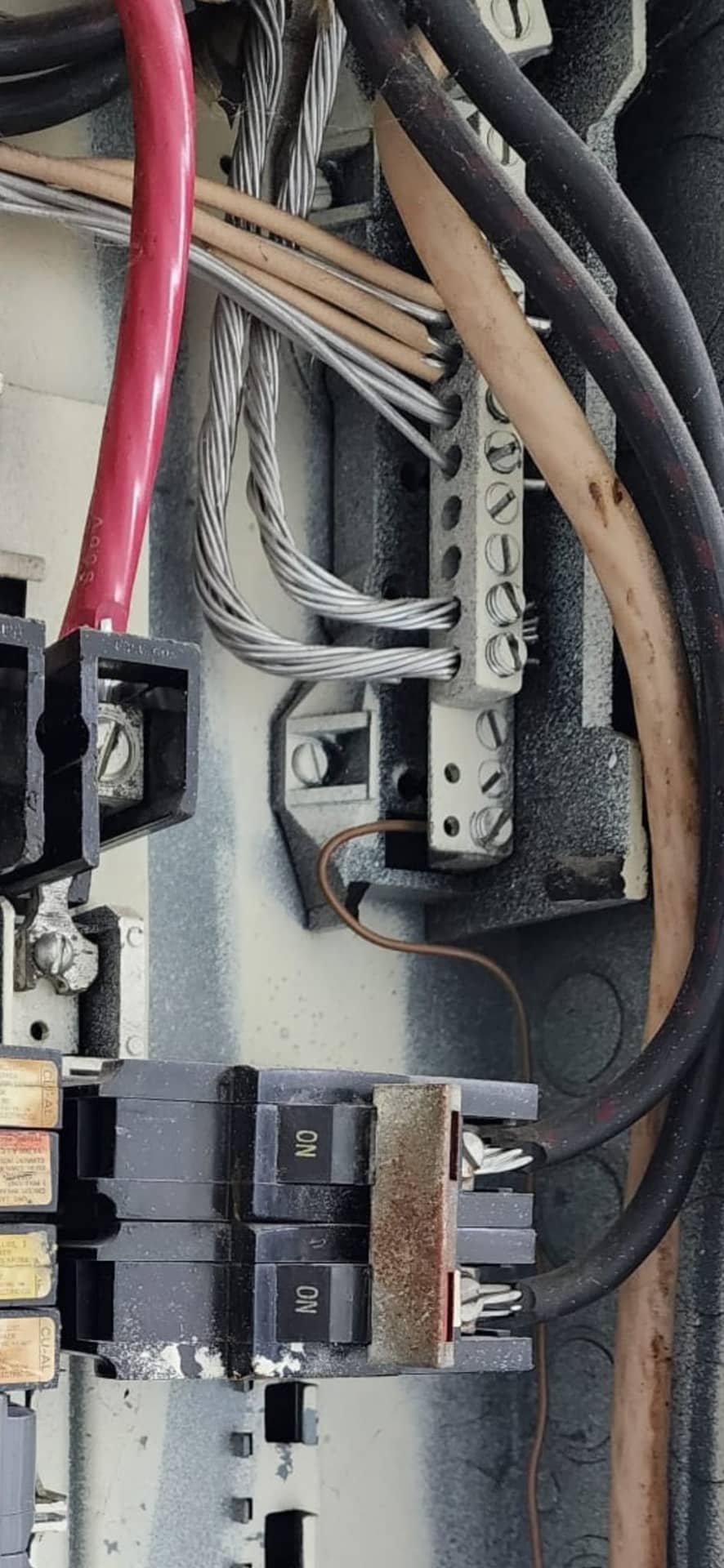
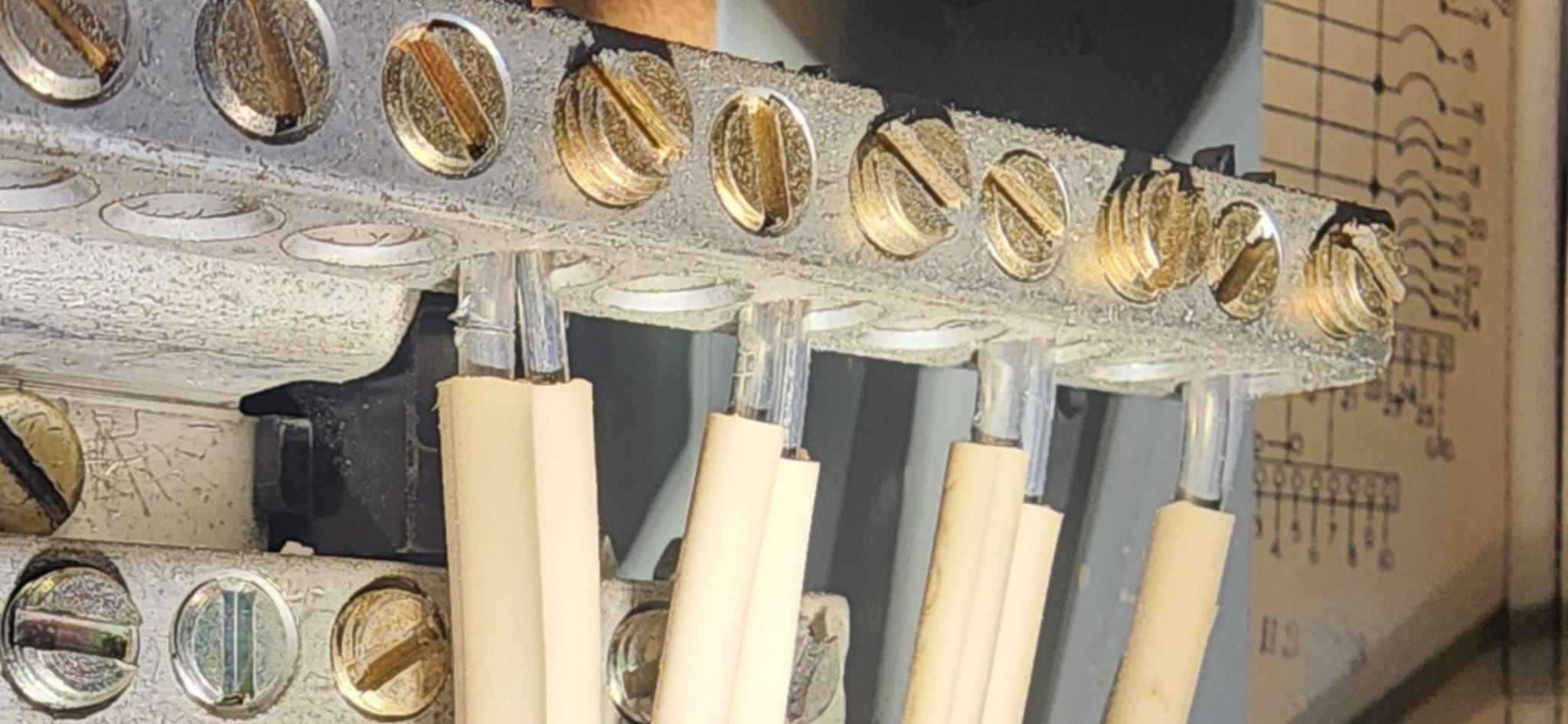
- A dull silver-colored solid conductor instead of copper color, visible at the breakers in the electrical panel
- Small branch-circuit breakers (typically 15 and 20 amp) with a single solid silver wire attached
- “AL” or “ALUMINUM” printed or embossed on the outer cable jacket every few feet, often visible in the attic, garage or at the panel
- Outlets and switches that are original to the home or marked “CO/ALR” or “AL/CU”
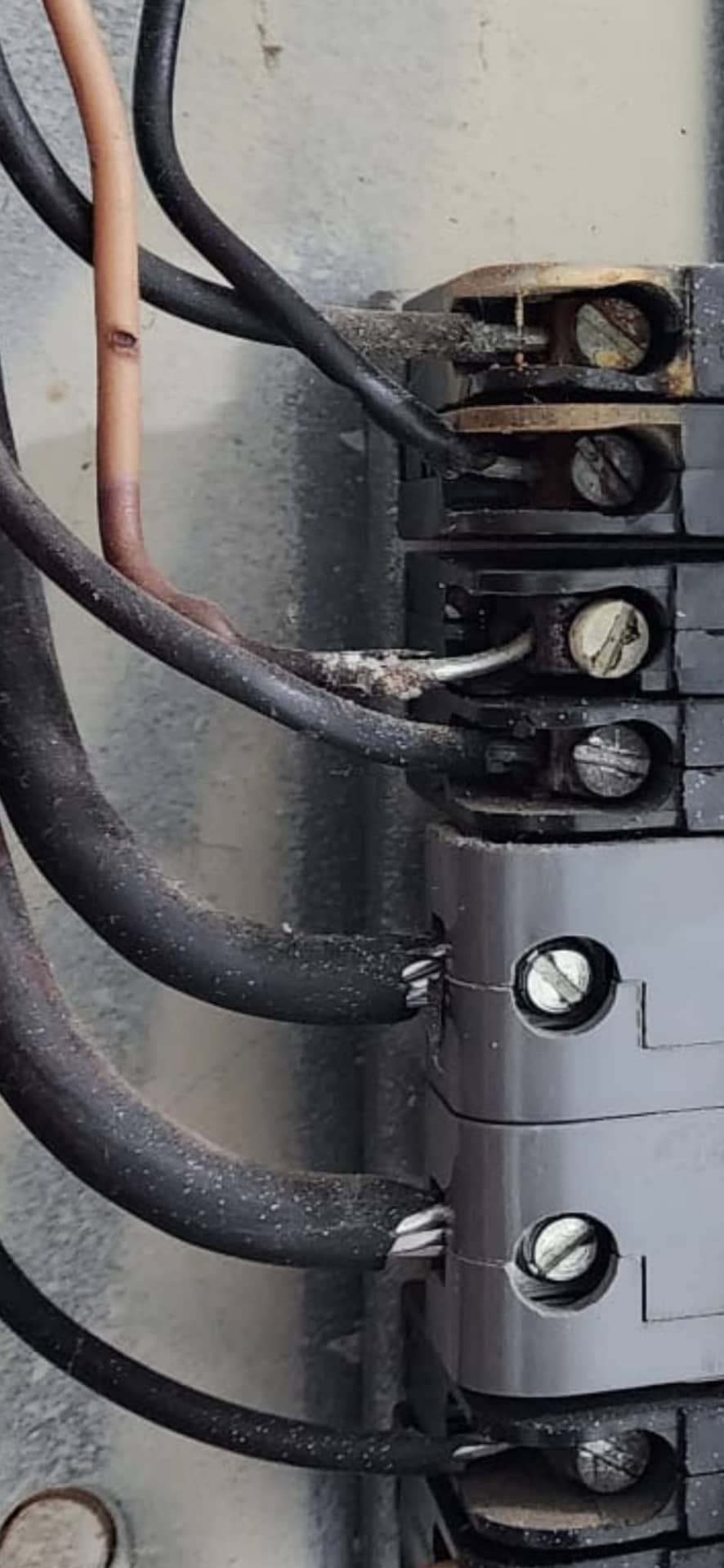
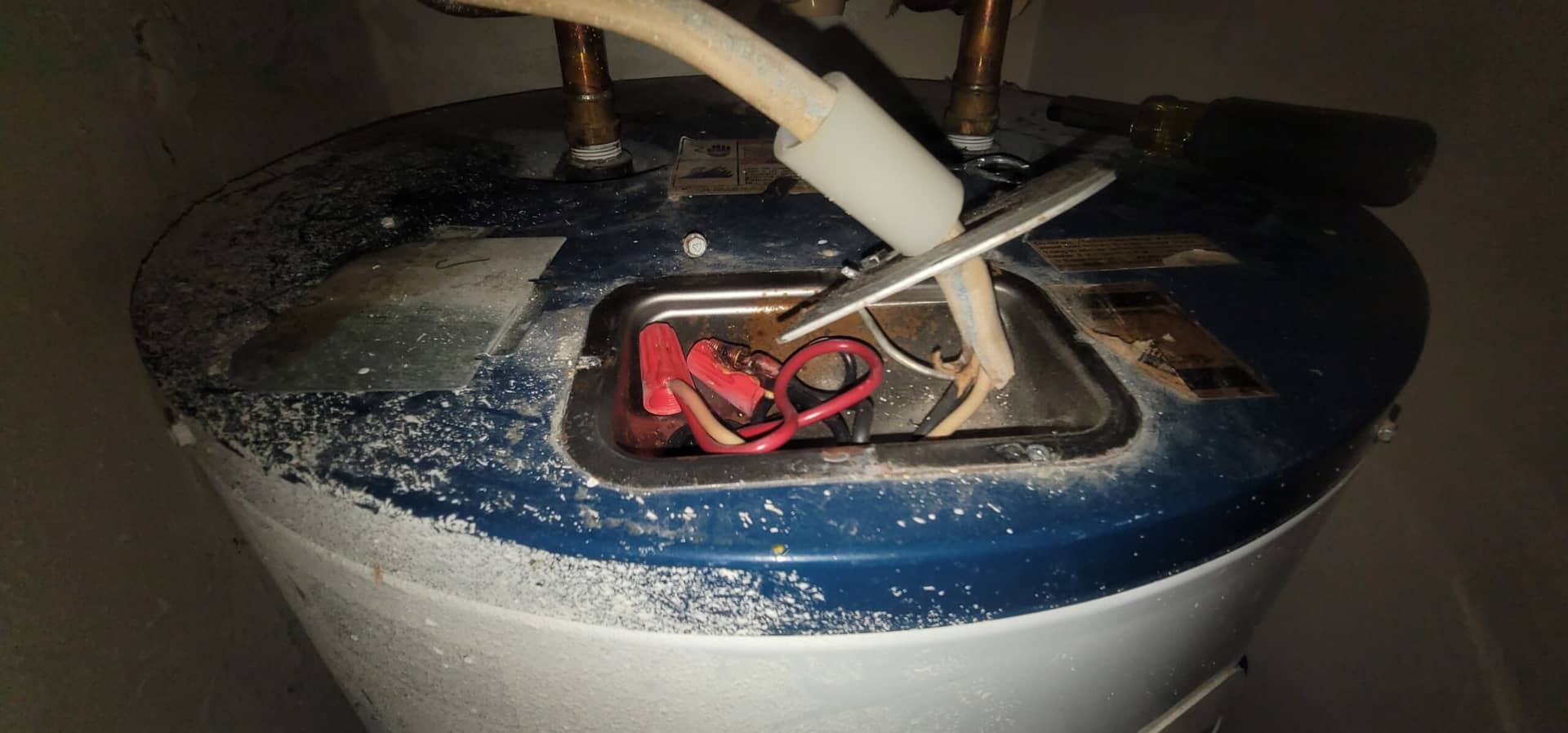
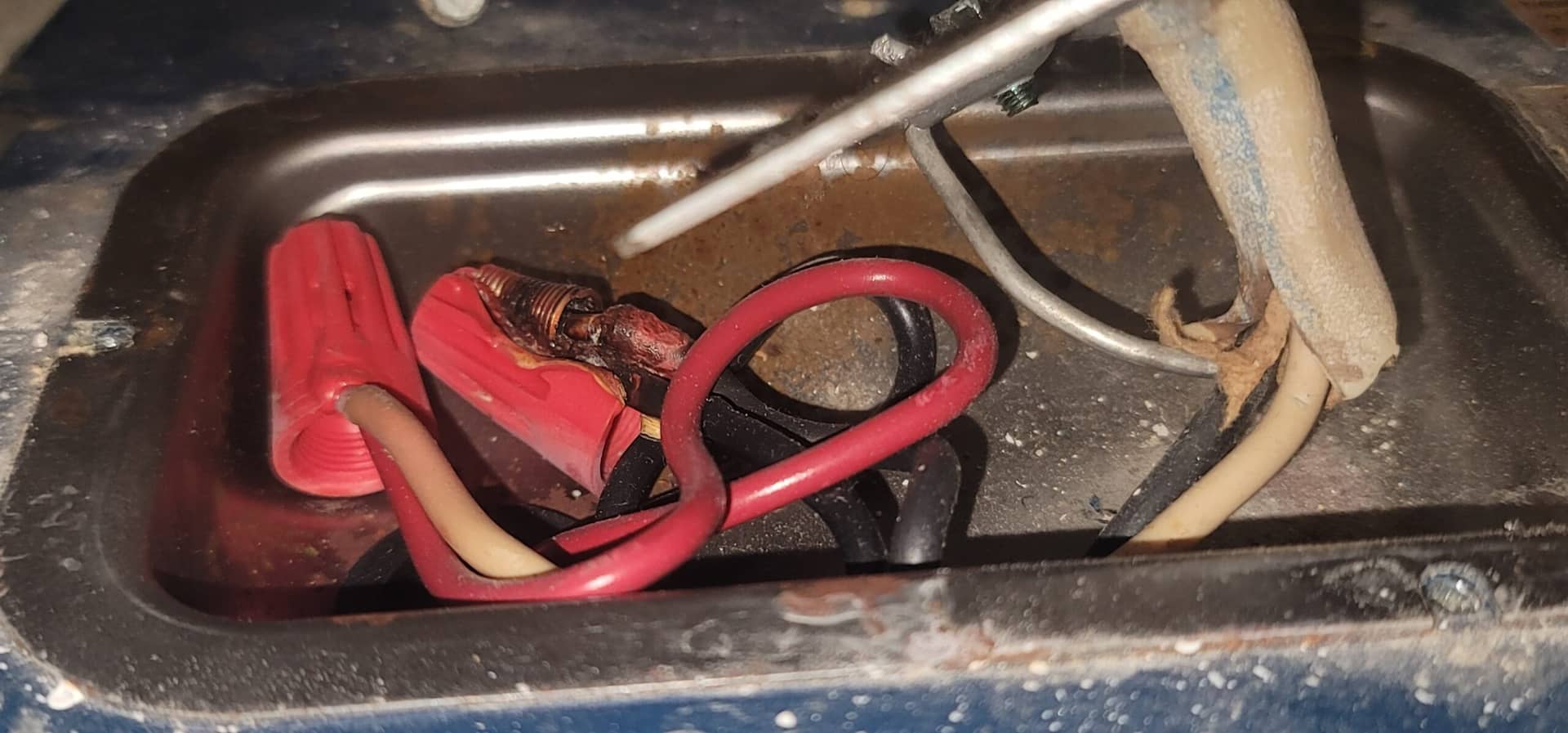
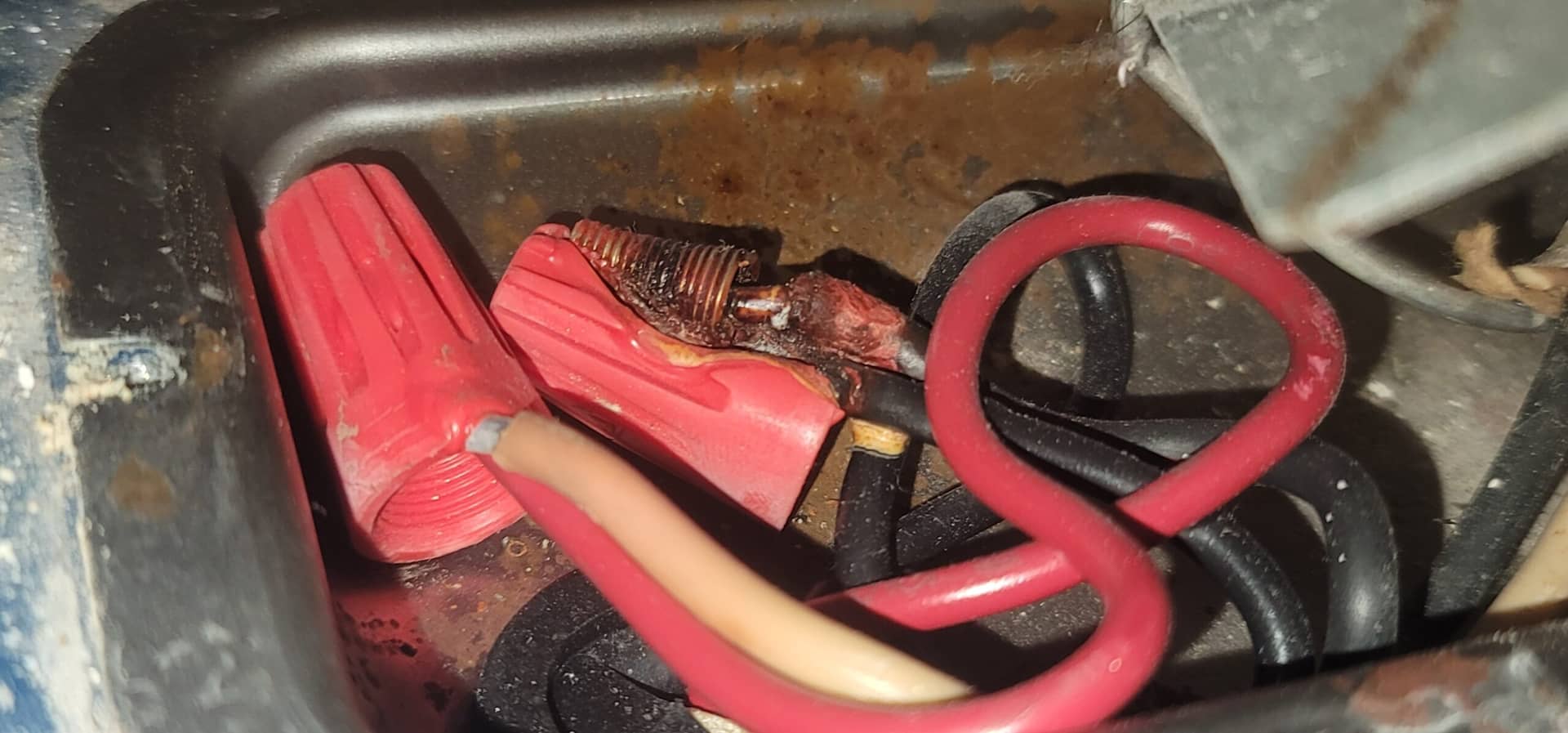
- Scorch marks, melted plastic or discoloration at outlets, switches or breaker terminals
Note: Cable marked “CU-CLAD” or “copper-clad aluminum” has a copper coating and is not included in the CPSC’s aluminum wiring recommendations.
Photos: Older Single-Strand Aluminum Wiring (1965–1972)
Warning Signs in the Home
- Outlet or switch cover plates that are warm to the touch
- Flickering or dimming lights
- Outlets or circuits that stop working intermittently
- The smell of burning plastic near outlets, switches or the panel
If you notice any of these signs, contact a licensed electrician. Do not attempt to repair aluminum wiring yourself.
Photos: Burnt Aluminum Wiring Found During Our Inspections
These are real examples of overheated and burnt single-strand aluminum wiring connections that our inspectors have found in Central Florida homes.
How We Report It
- Home Inspection: Reported as a concern, with a recommendation for evaluation and repair by a licensed electrician
- 4-Point Inspection: Reported as unacceptable unless it has been repaired correctly using one of the approved methods below
2. How to Repair Aluminum Wiring
We follow the CPSC’s repair recommendations. Only three repair methods are considered permanent, and all of them should be performed by a licensed electrician.
Approved Repair Methods
- Rewire with copper. Replacing the aluminum branch circuits with copper wiring is the most complete solution. It removes the problem entirely, but it is often the most expensive and invasive option.
- COPALUM crimp connectors. A short copper wire (pigtail) is permanently joined to the aluminum wire with a special crimp connector applied by a powered tool. The copper pigtail then connects to the outlet, switch or fixture. COPALUM has more than 25 years of proven field performance, but only electricians trained and certified by the manufacturer can install it.
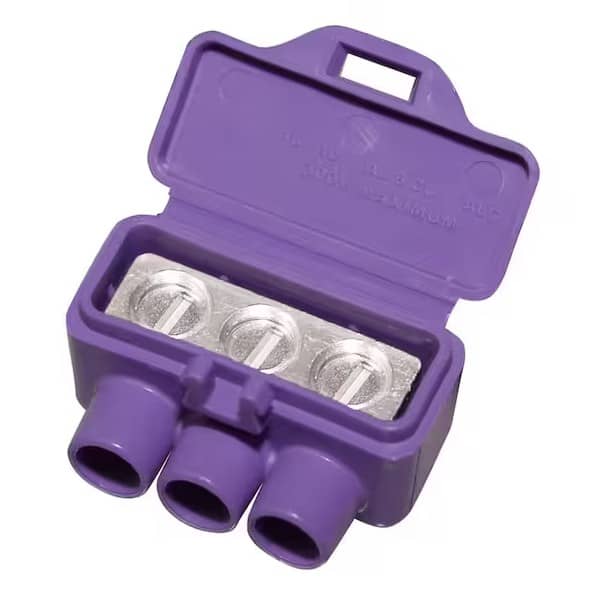
- AlumiConn connectors. A set-screw lug connector rated for joining aluminum and copper wires. Each wire sits in its own port, and the screws must be tightened to the manufacturer’s specified torque. AlumiConn is the most common repair method we see.
Where AlumiConn Connectors Belong
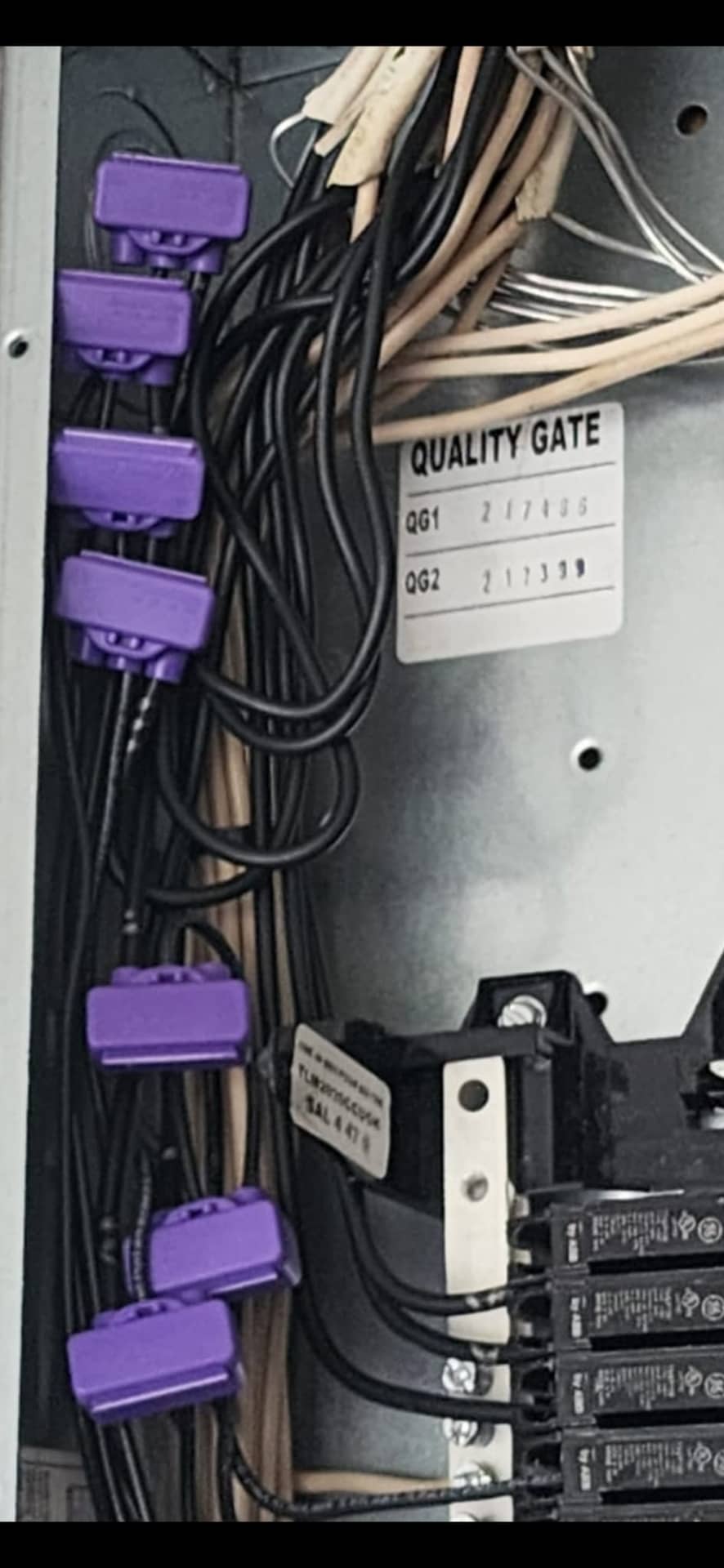
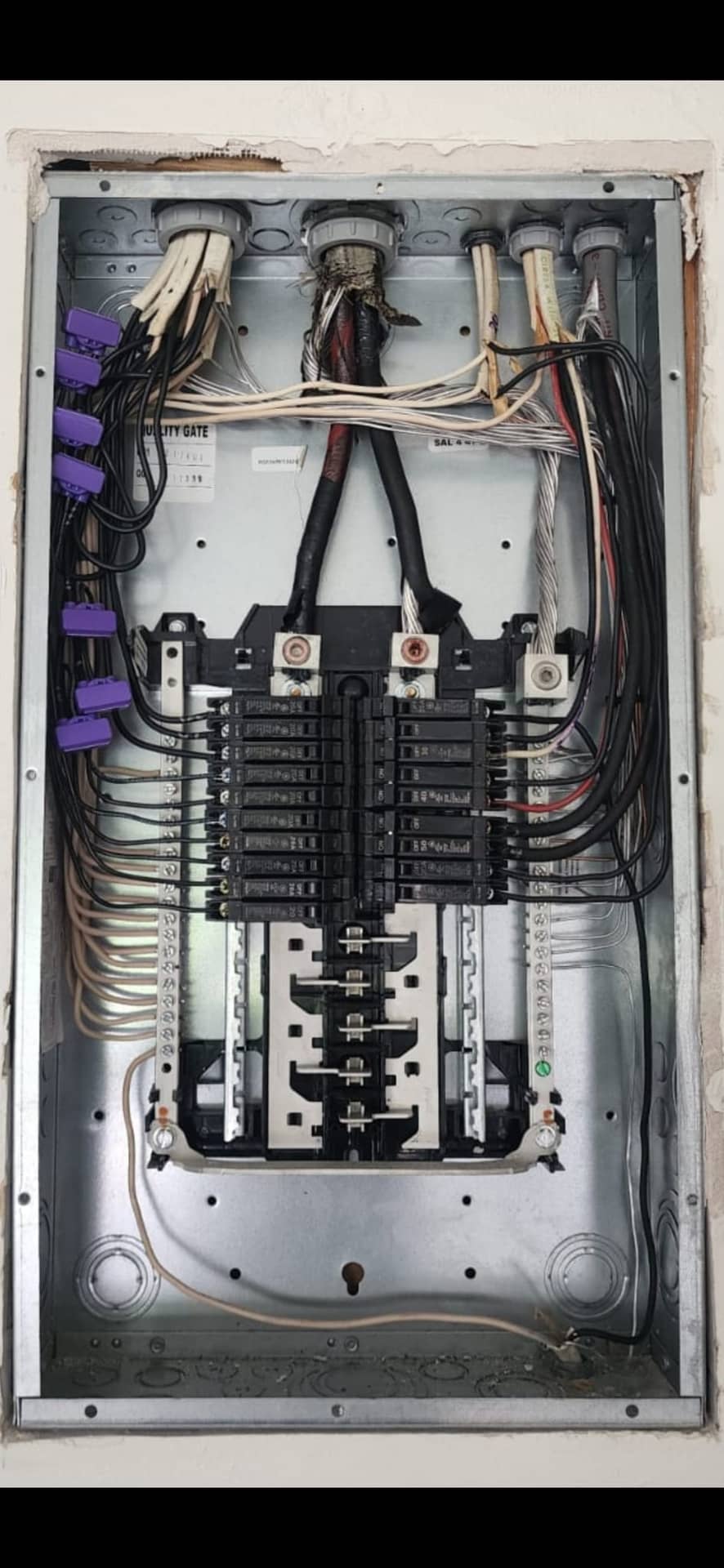
AlumiConn connectors are used where aluminum wire connects to copper wire, or to a device that is not designed for aluminum wire, such as a standard outlet, switch or light fixture. Every connection in the home must be repaired, including outlets, switches, light fixtures, junction boxes, splices and hard-wired appliances.
AlumiConn connectors are not typically used in the electrical panel. The only reason an AlumiConn should be found in the panel is as a pigtail extension. This is common when an older, smaller panel is replaced with a larger, newer panel and the existing branch wiring is too short to reach the new breakers.
Photos: AlumiConn Connectors (Approved Repair)
Repairs That Are NOT Acceptable
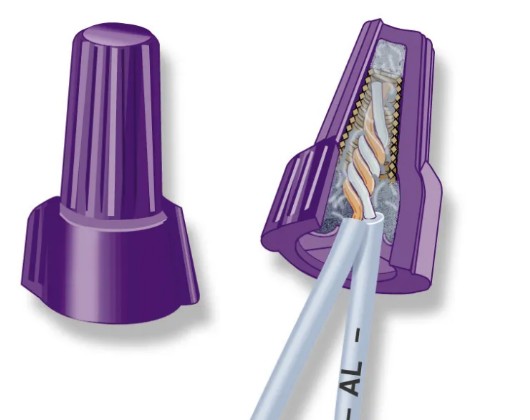
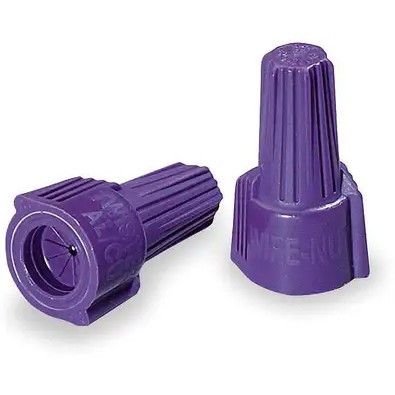
- Twist-on wire connectors, including the purple “Al/Cu” twist-on connectors such as the Ideal #65 Twister. CPSC testing found severe overheating with twist-on connectors, and they are not considered an acceptable repair.
- CO/ALR outlets and switches alone. CO/ALR devices are rated for aluminum wire, but the CPSC considers them an incomplete solution. They do not address splices, light fixtures or other connections, and they have failed in laboratory testing under some conditions.
- Partial repairs. Repairing only some of the connections leaves the rest of the home at risk. The repair must include every aluminum connection.
Photos: Ideal #65 Twist-On Connector (NOT an Acceptable Repair)
After the Repair
Once a licensed electrician has completed an approved repair, we return to inspect the work and issue an updated 4-Point report. The updated 4-Point is sufficient documentation for the insurance company.
3. Non-Concerning Aluminum Wiring
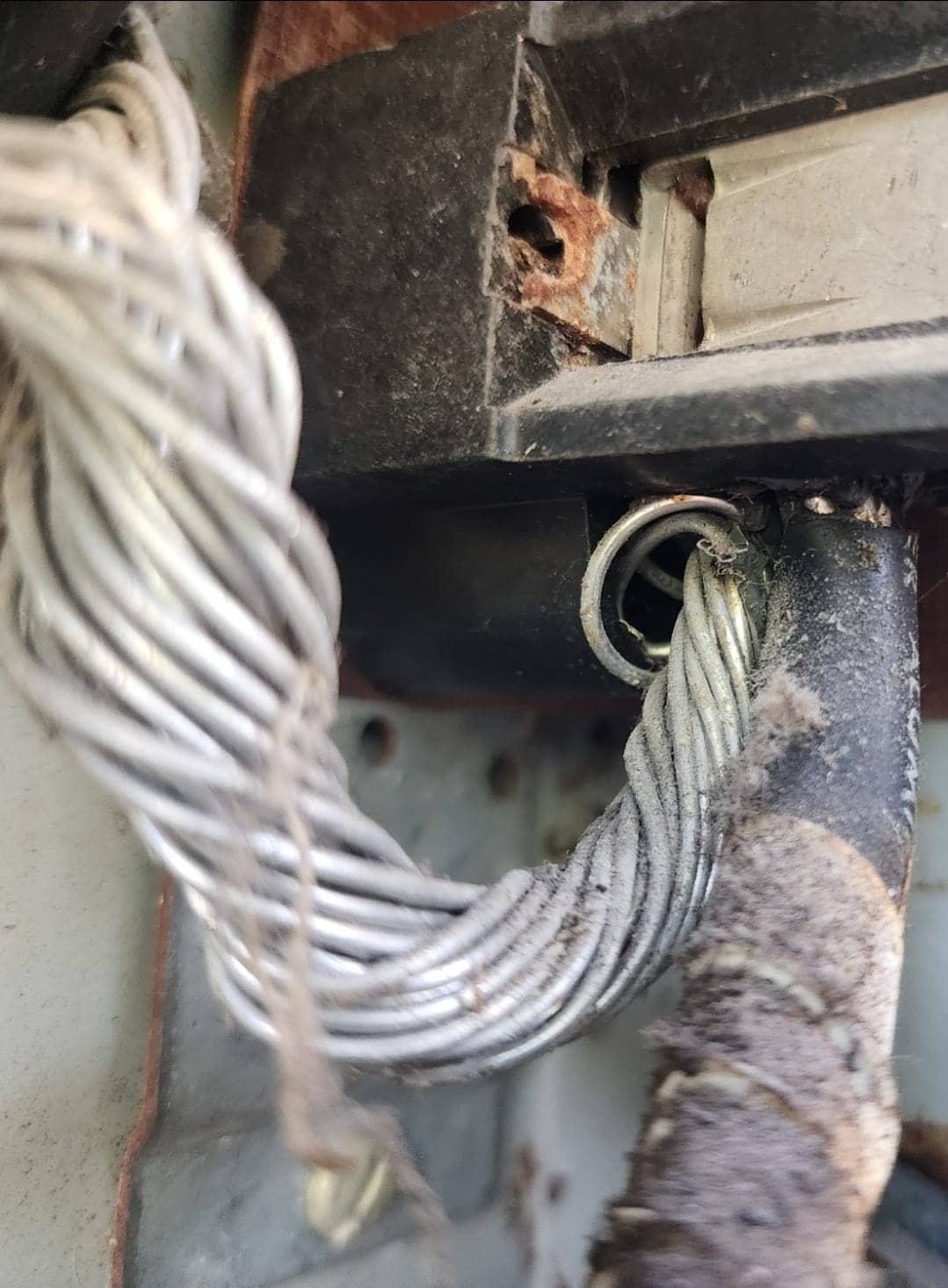
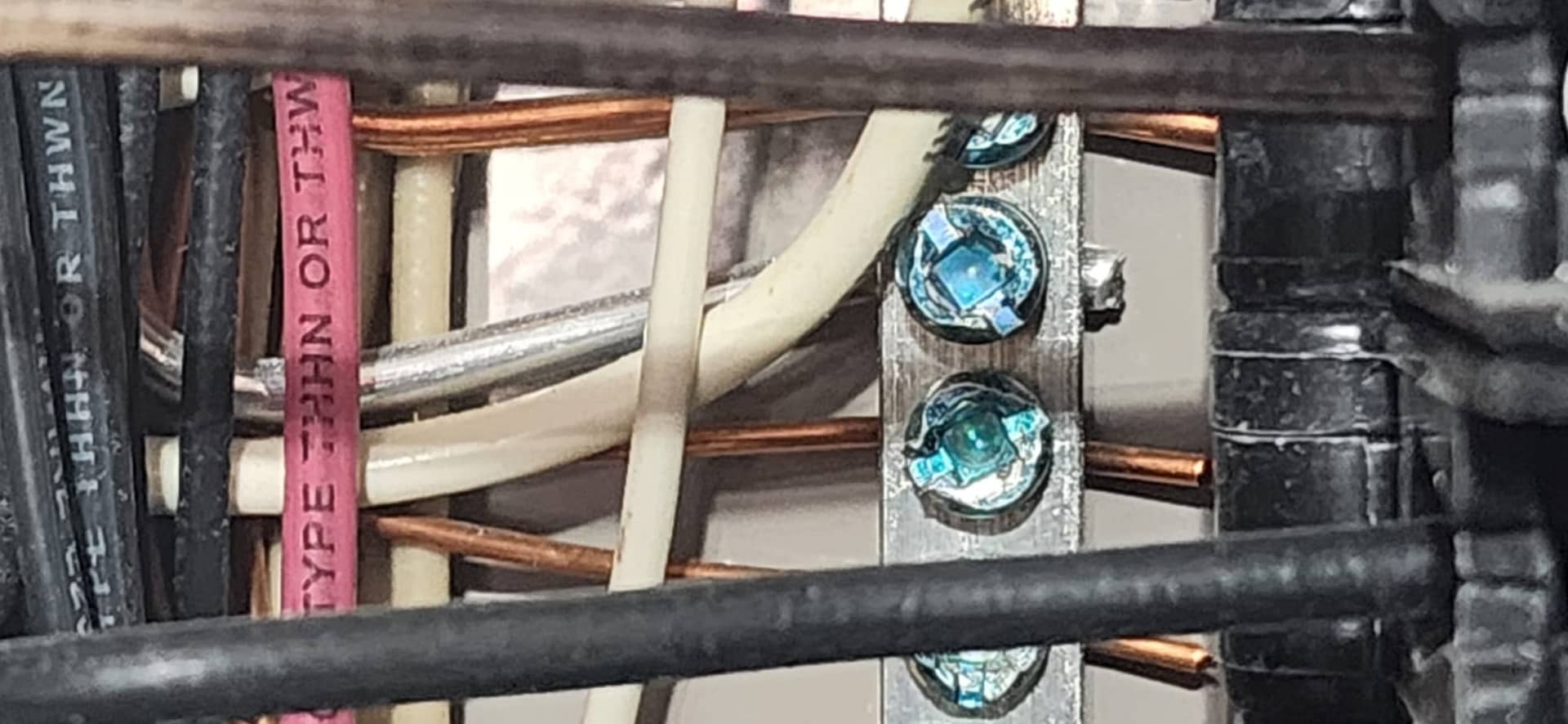
Multi-Strand (Stranded) Aluminum Wiring
Stranded aluminum conductors are made of many smaller wires twisted together. They are commonly used for:
- Service entrance cables from the meter to the main panel
- Feeders to sub-panels
- Large-gauge circuits to heavy appliances
Stranded aluminum is permitted by the National Electrical Code (NEC), is used in new construction today, and has very few connection points. When it is terminated on lugs rated for aluminum (and typically with an anti-oxidant compound), it is not considered a hazard.
Photos: Multi-Strand Aluminum Wiring (Not a Concern)
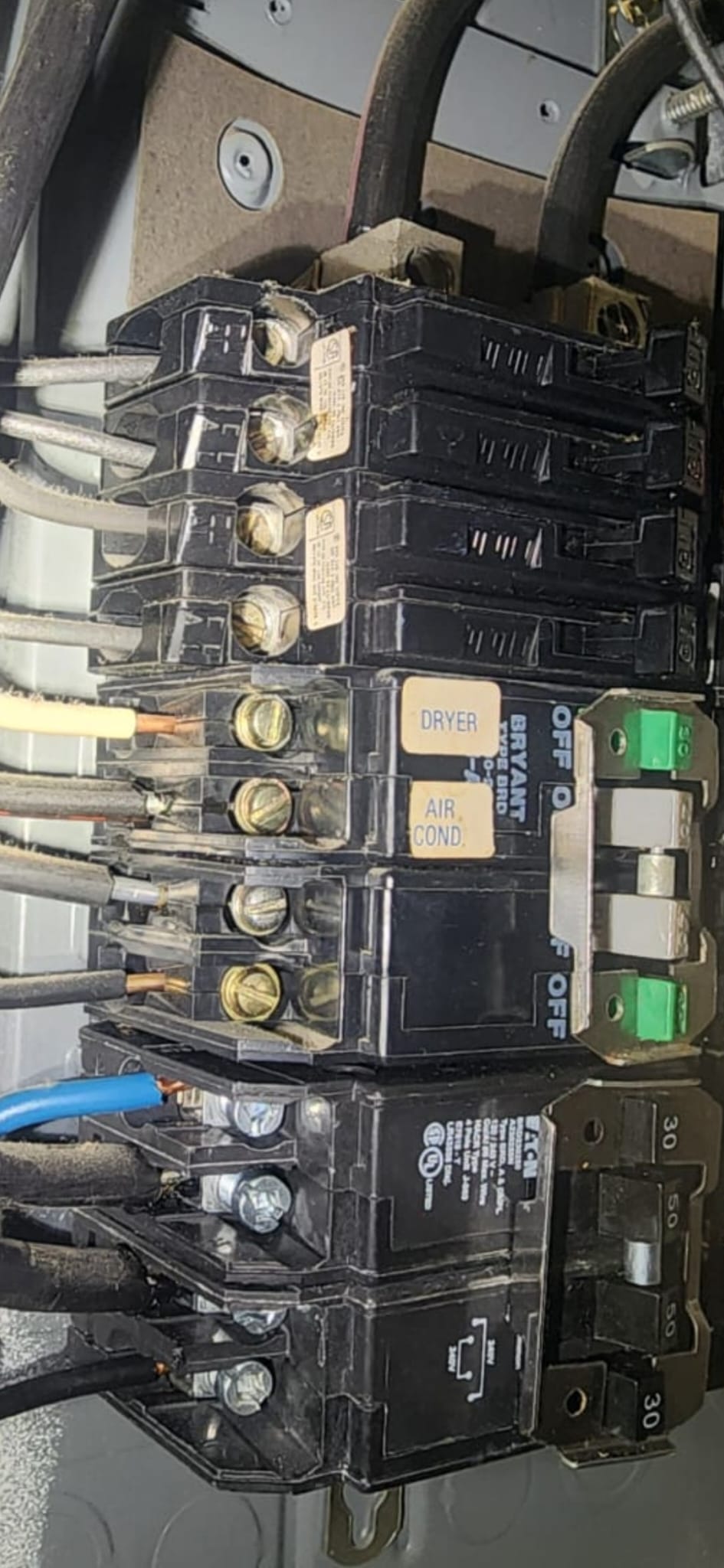
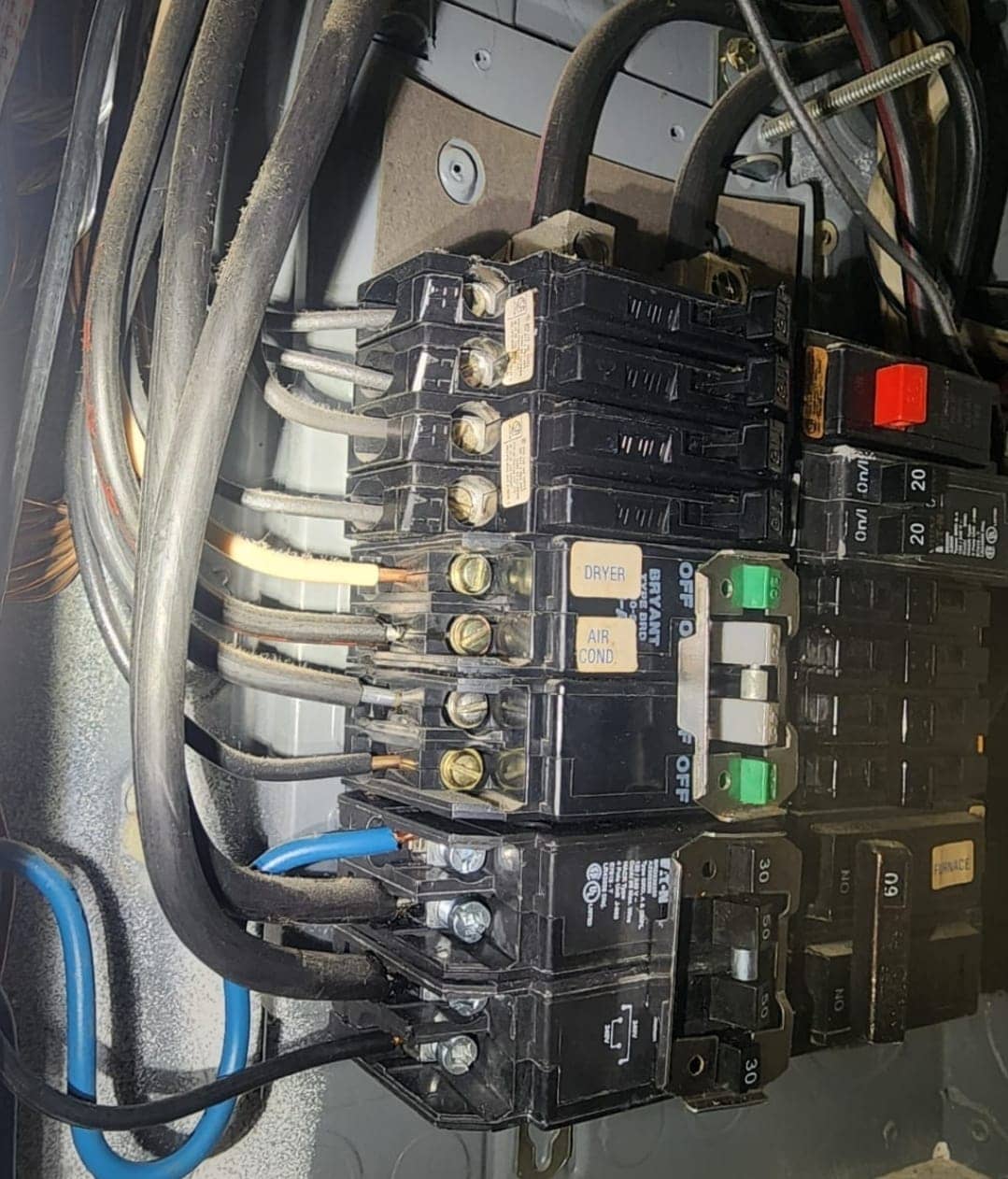
Newer Single-Strand Aluminum Wiring (240-Volt)
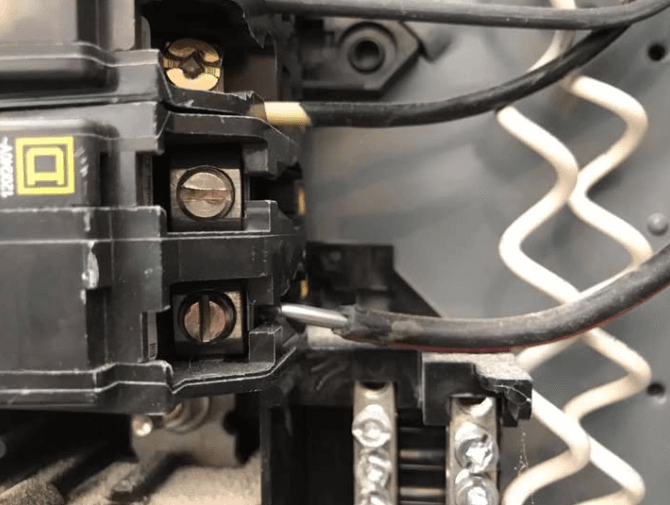
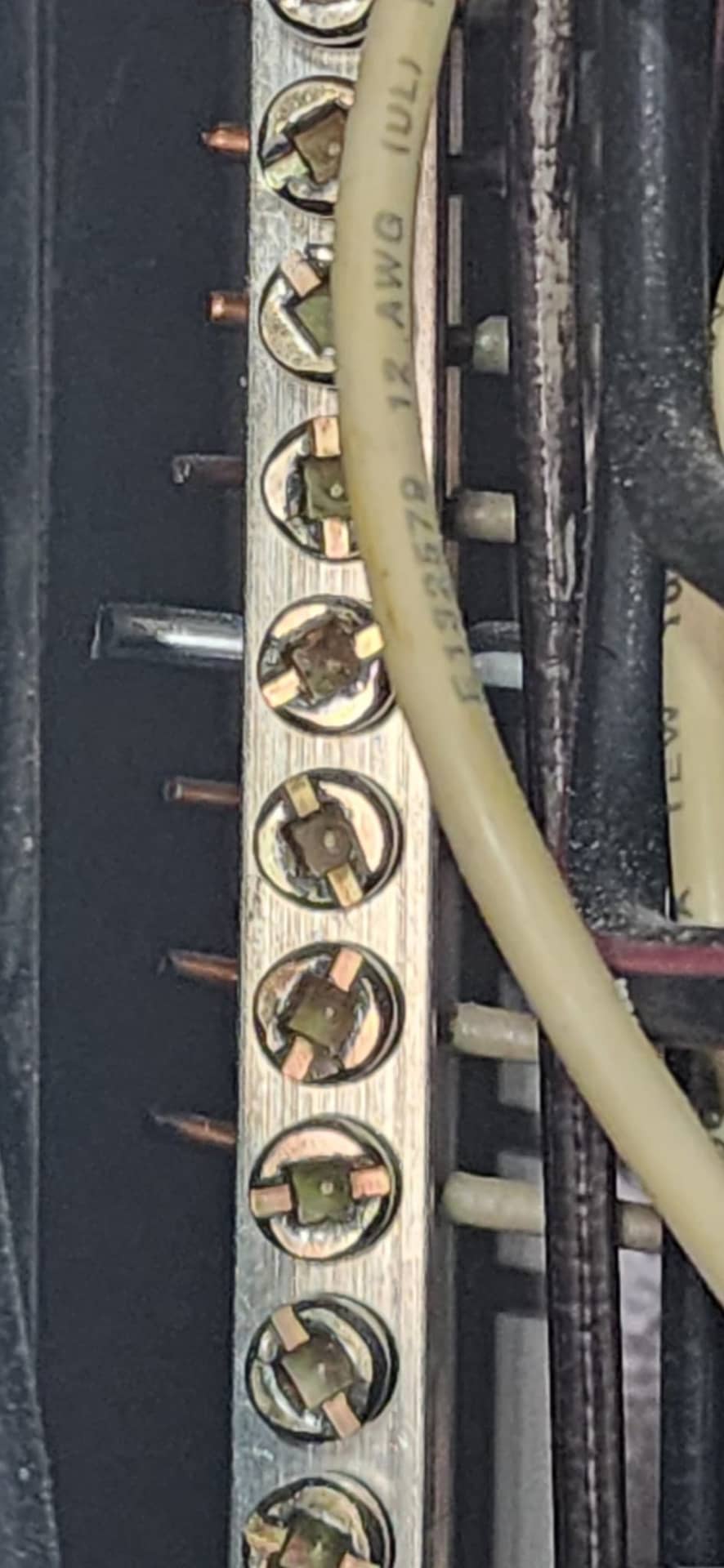
Newer single-strand aluminum wiring was manufactured and installed in homes built after 2000. It is made from modern aluminum alloys, such as the AA-8000 series, that resist the creep and expansion problems of the older 1960s and 1970s wiring.
- Where it’s used: Dedicated 240-volt circuits for appliances such as air conditioners and air handlers, electric ranges, ovens and dryers.
- Why it’s different: A dedicated 240-volt circuit runs from one breaker to one appliance with very few connection points, compared to older 120-volt branch circuits that may have dozens of outlets, switches and splices.
- Water heaters: Aluminum wiring should not be used for the water heater circuit. Water heaters have copper wiring that connects to the power supply wires, and the two different metals should not be connected because of their different expansion rates. Tankless water heaters generally use stranded copper wiring, and the tankless water heater manufacturer’s installation instructions should be followed.
- Code and insurance: The NEC permits modern aluminum conductors for these circuits when properly installed on rated terminals. Some local codes or insurance carriers may have stricter rules.
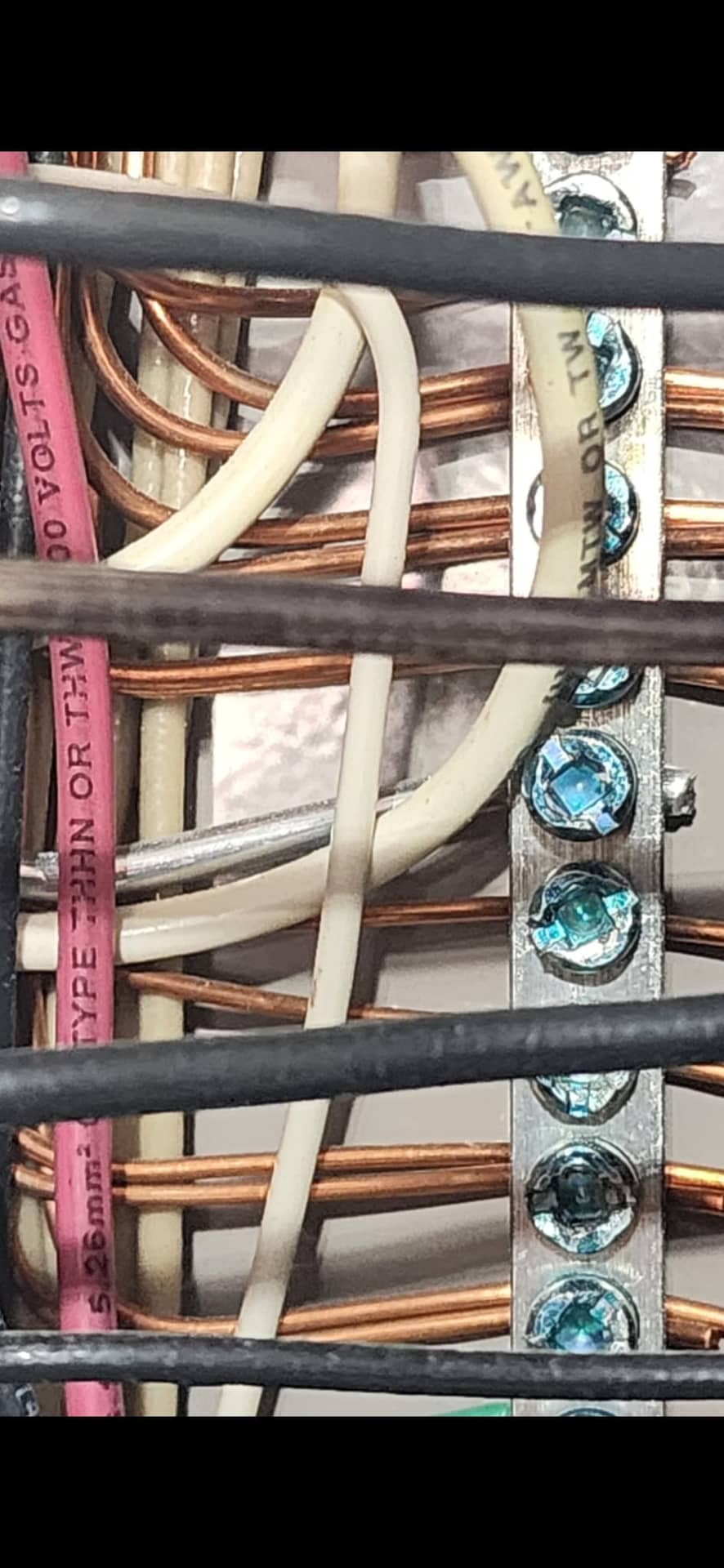
Photos: Newer Single-Strand Aluminum Wiring (Not a Concern)
How We Report It
- Home Inspection: Not reported as a concern
- 4-Point Inspection: Not reported as a concern
Any wiring, copper or aluminum, that shows signs of overheating, damage or improper installation will still be reported.
Quick Comparison
| Type | Era | Typical Use | Home Inspection | 4-Point |
|---|---|---|---|---|
| Older single-strand aluminum | 1965–1972 | 120V outlets, switches, lights | Reported as a concern | Unacceptable unless repaired correctly |
| Multi-strand aluminum | All eras, still used today | Service entrance, feeders, large appliances | Not reported | Not reported |
| Newer single-strand aluminum | Homes built after 2000 | Dedicated 240V appliance circuits | Not reported | Not reported |
Final Message to Consider
Many homes built between 1965 and 1972 have operated with their original aluminum wiring for decades without a noticeable problem. That does not mean the risk has gone away. Aluminum wiring connections can deteriorate slowly and out of sight, inside walls and behind cover plates, and the CPSC has documented that they can fail without warning.
A new homeowner often changes how a home is used. Added appliances, electronics, space heaters, or a remodel that moves or splices wiring can all put new stress on older connections. Every time a device is replaced with one not rated for aluminum, or a splice is made with the wrong connector, the risk increases.
Because of this, we cannot state with 100% certainty that older single-strand aluminum wiring is safe or free of immediate risk. Our role is to document what we can observe, help you understand the difference between aluminum wiring that is a concern and aluminum wiring that is not, and point you toward the correct repair.
We hope this information helps you make an informed and confident decision about your home. If you have any questions or need further clarification, please feel free to reach out anytime.
References
- U.S. Consumer Product Safety Commission – Repairing Aluminum Wiring (Publication 516)
- InterNACHI – Aluminum Wiring
- InterNACHI – Inspecting Aluminum Wiring During a Home Inspection
Related: What Is a 4-Point Inspection? · Cloth Wiring Guide