
Post-Storm Water Intrusion Inspections in Orlando & Central Florida
After a hurricane or major storm, we check the roof, attic, exterior walls, doors and windows for any place water may be getting into your home. $250, available within 48 hours, with a written photo report in a format insurers accept.
- Roof (Top Side)
- Attic
- Exterior Walls
- Doors & Windows
- Infrared Camera
- Moisture Meter
- Available Within 48 Hours
What Is a Post-Storm Water Intrusion Inspection?
A post-storm water intrusion inspection is an evaluation of your home’s building envelope: the roof, exterior walls, doors and windows that keep water out. Storms can lift shingles, crack flashing, break seals and open gaps that let water in long before you see a stain on the ceiling.
We walk the roof, crawl the attic, and check the exterior walls, doors and windows using an infrared camera and moisture meter to find moisture that can’t be seen with the eye alone. You get a written report with photos of every concern we find.
Some insurance companies require this inspection after a storm. It is also a smart proactive step for any homeowner who suspects water got in, or who simply wants to know for sure that it didn’t.
Who Needs One?
- Homeowners whose insurance company requires a post-storm inspection
- Buyers and sellers whose home was under contract when the storm hit
- Older homes, wood frame homes and homes with older roofs
- Homeowners who suspect water got in during the storm
- Anyone who wants peace of mind that no water intrusion is occurring
What It Doesn't Cover
- Plumbing supply lines and other water leaks inside the home
- Opening walls, ceilings or roofing to look behind finishes
- Finding the exact source of a leak or designing the repair
This is a non-invasive evaluation of the building envelope. If we find water intrusion, we will tell you what kind of licensed contractor to call next.
Every Part of the Building Envelope
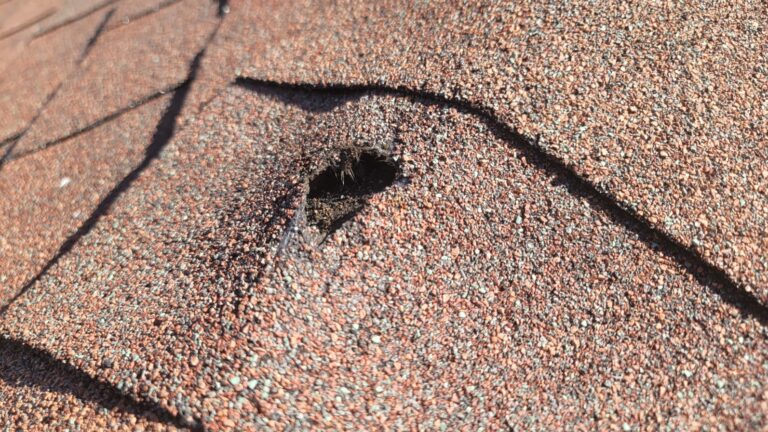
1. The Roof, From the Top Side
We walk the roof to look for missing, lifted or creased shingles, damaged tiles or metal panels, loose or torn flashing, damaged vents and roof penetrations, and debris impact from the storm.
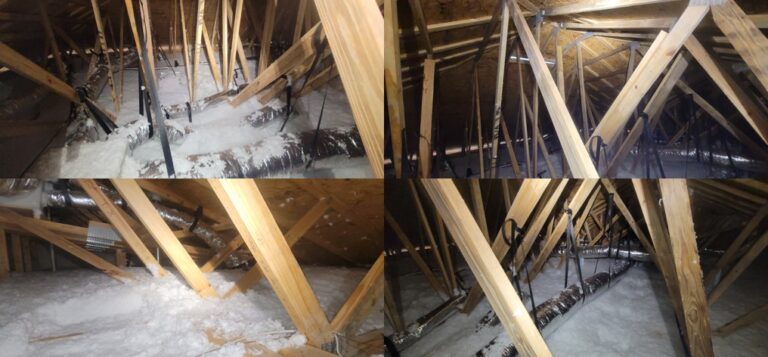
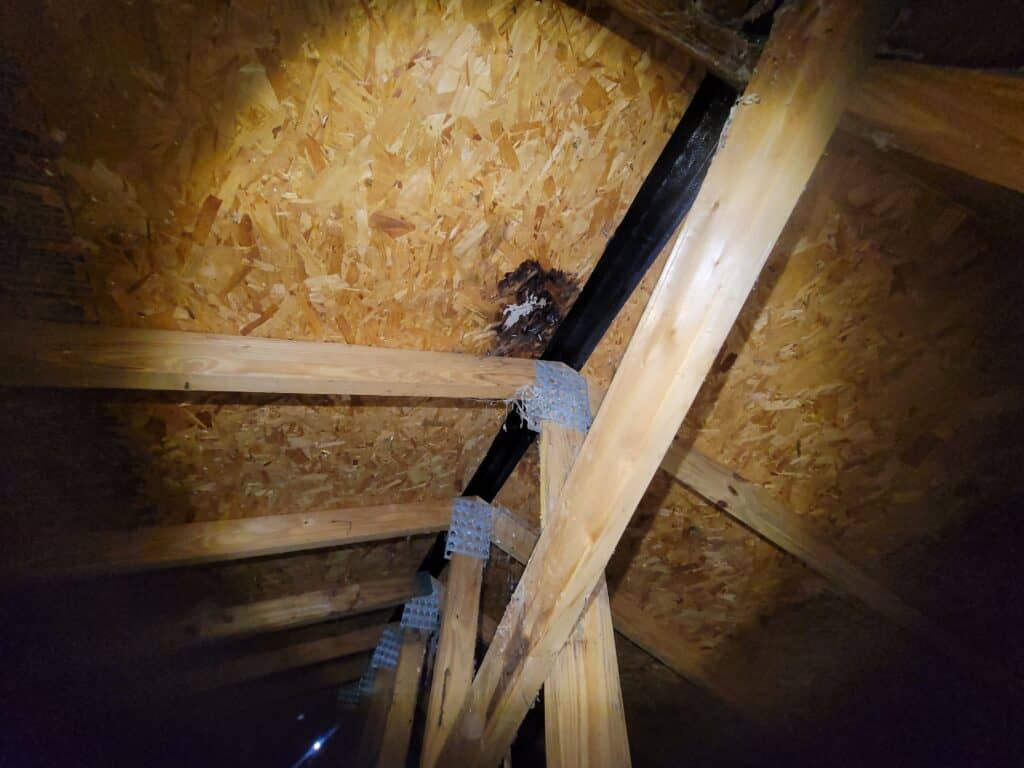
2. The Roof, From the Attic Side
We crawl the attic to check the underside of the roof decking, rafters and trusses for active leaks, fresh water staining, wet insulation and daylight showing through. The infrared camera and moisture meter help confirm what is wet right now.
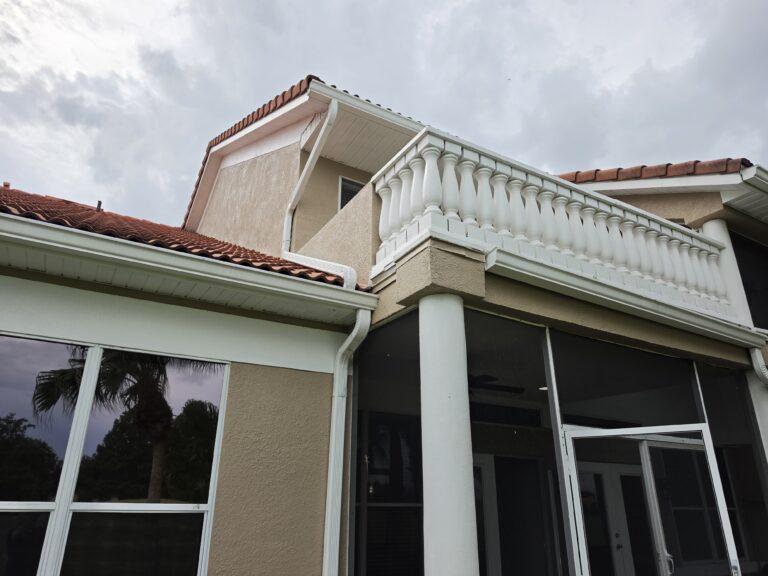
3. Exterior Walls
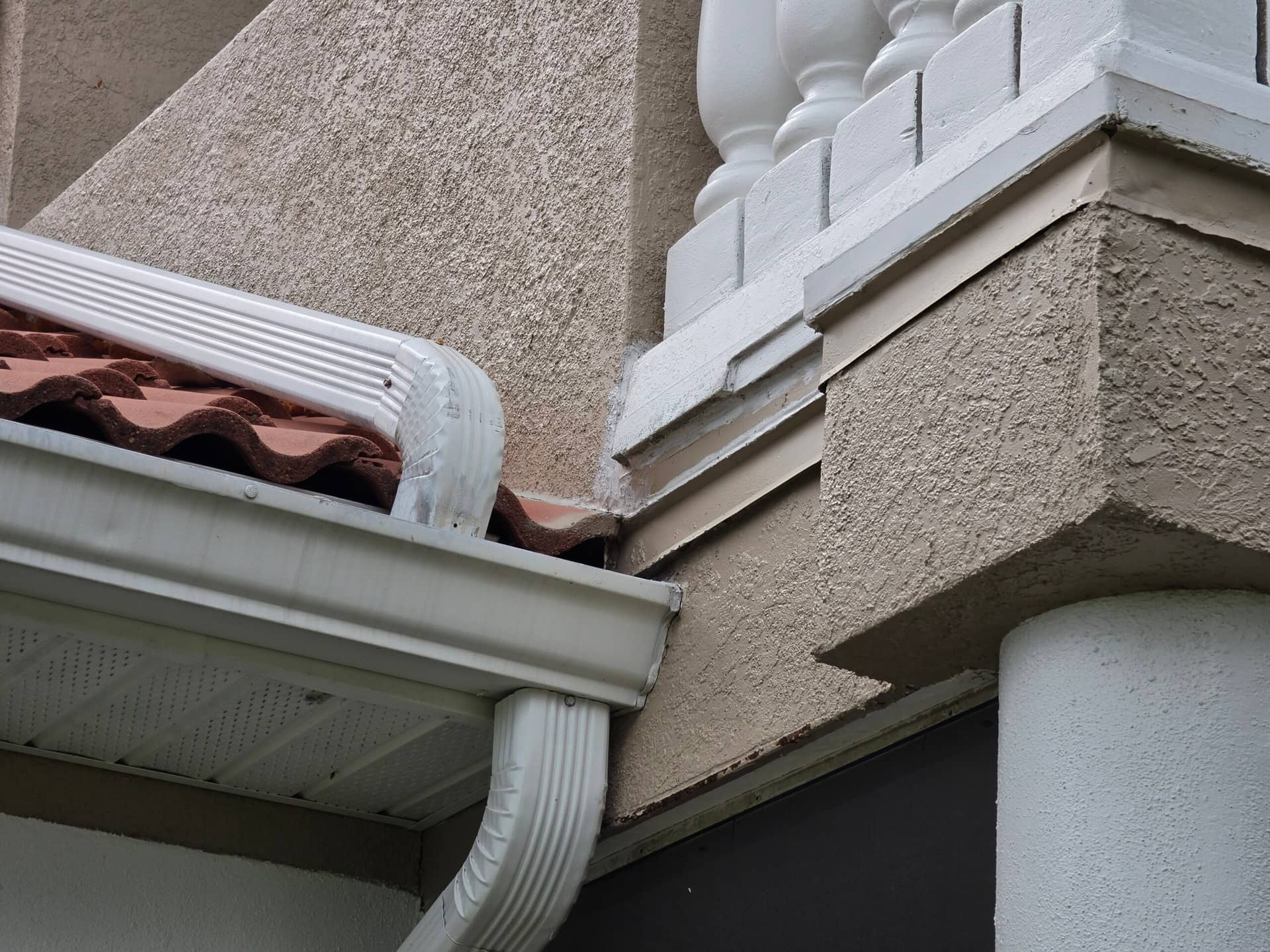
We check stucco, siding and block for cracks, open joints, impact damage and failed sealant, and scan the inside of exterior walls for moisture that has worked its way in.
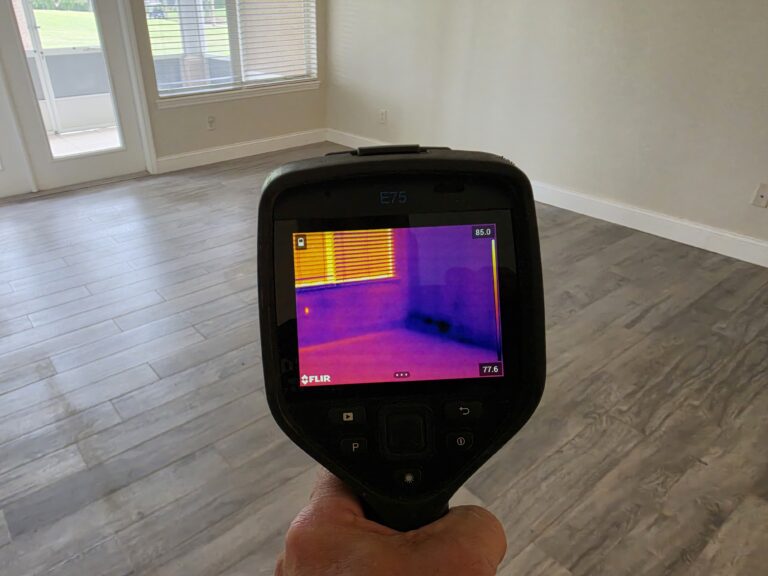
4. Doors and Windows
Doors and windows are common weak links in a storm. We look at seals, flashing, sills and frames, and scan the surrounding walls and floors for signs of water getting past them.
How We Find Hidden Water
Water from a storm doesn’t always leave a stain right away. It can soak into drywall, insulation and framing where you can’t see it. We use the right tools to find it early:
- Roof walk to see storm damage up close
- Attic crawl to check the underside of the roof
- Infrared camera to spot temperature patterns that point to moisture
- Moisture meter to confirm whether a suspect area is actually wet
The Tools We Use
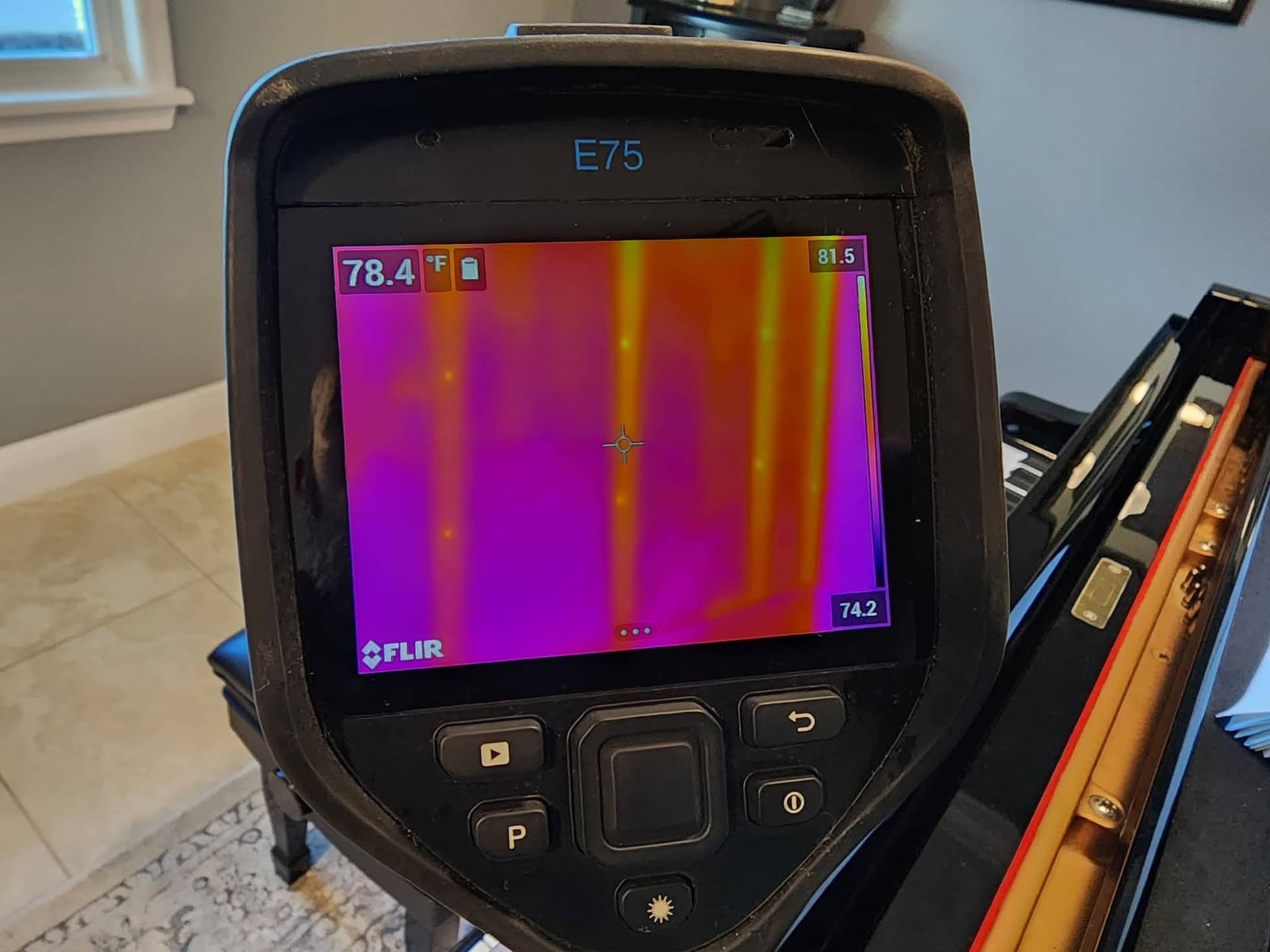
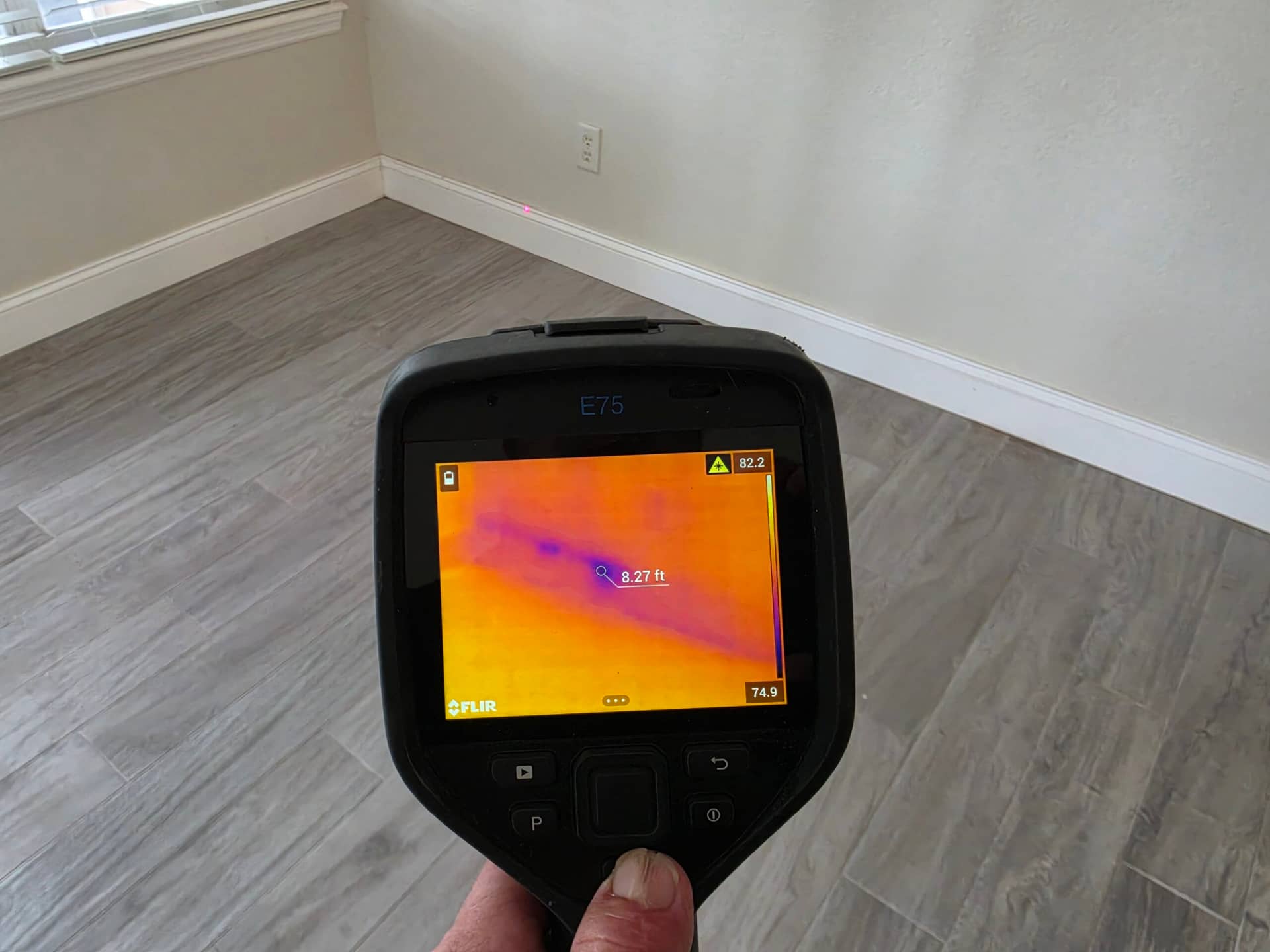
FLIR E75 Infrared Camera
Shows temperature differences that can point to wet materials hidden behind walls, ceilings and floors.
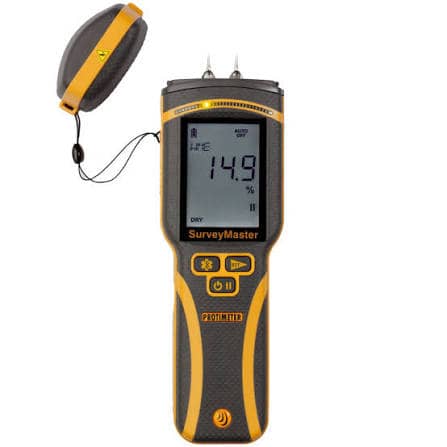
Protimeter Surveymaster
Our moisture meter. Search mode scans beneath the surface without leaving a mark, and measure mode reads moisture content.
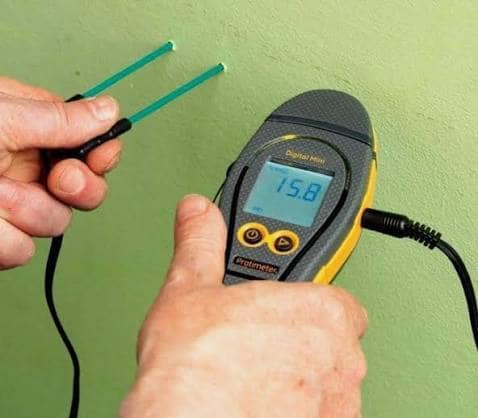
Surveymaster Probe
Confirms a moisture reading at the exact spot the infrared camera or search mode flagged.
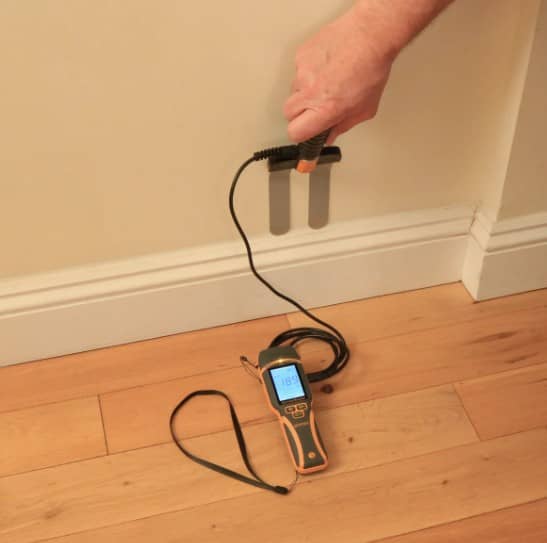
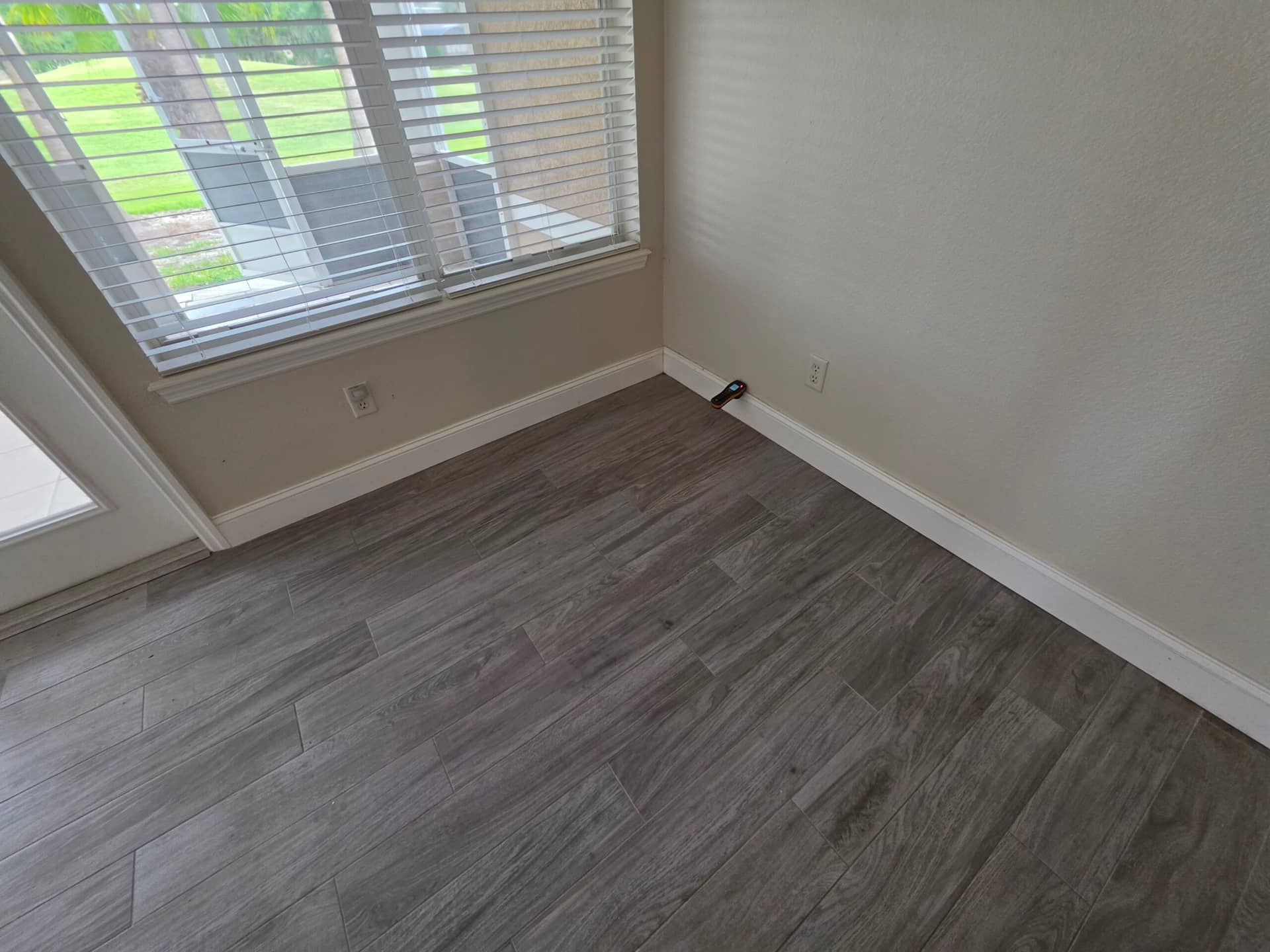
Baseboard Probe
Checks for moisture at the bottom of walls, behind baseboards, where water often collects first.
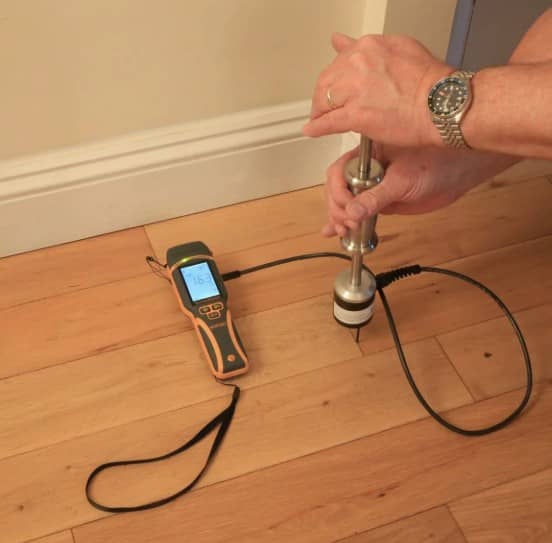
Pin Probe
Measures moisture content in wood framing, trim and drywall at a precise point.
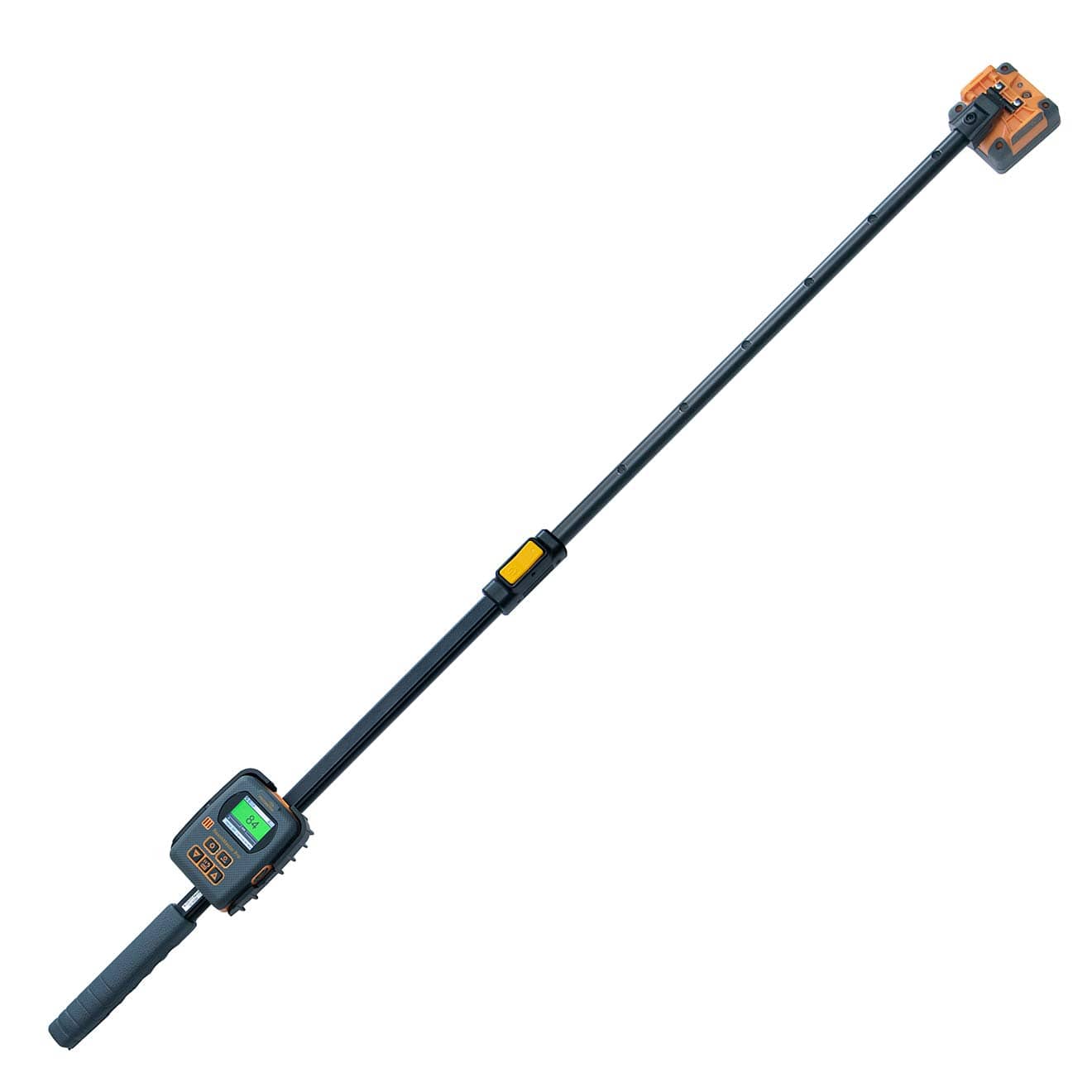
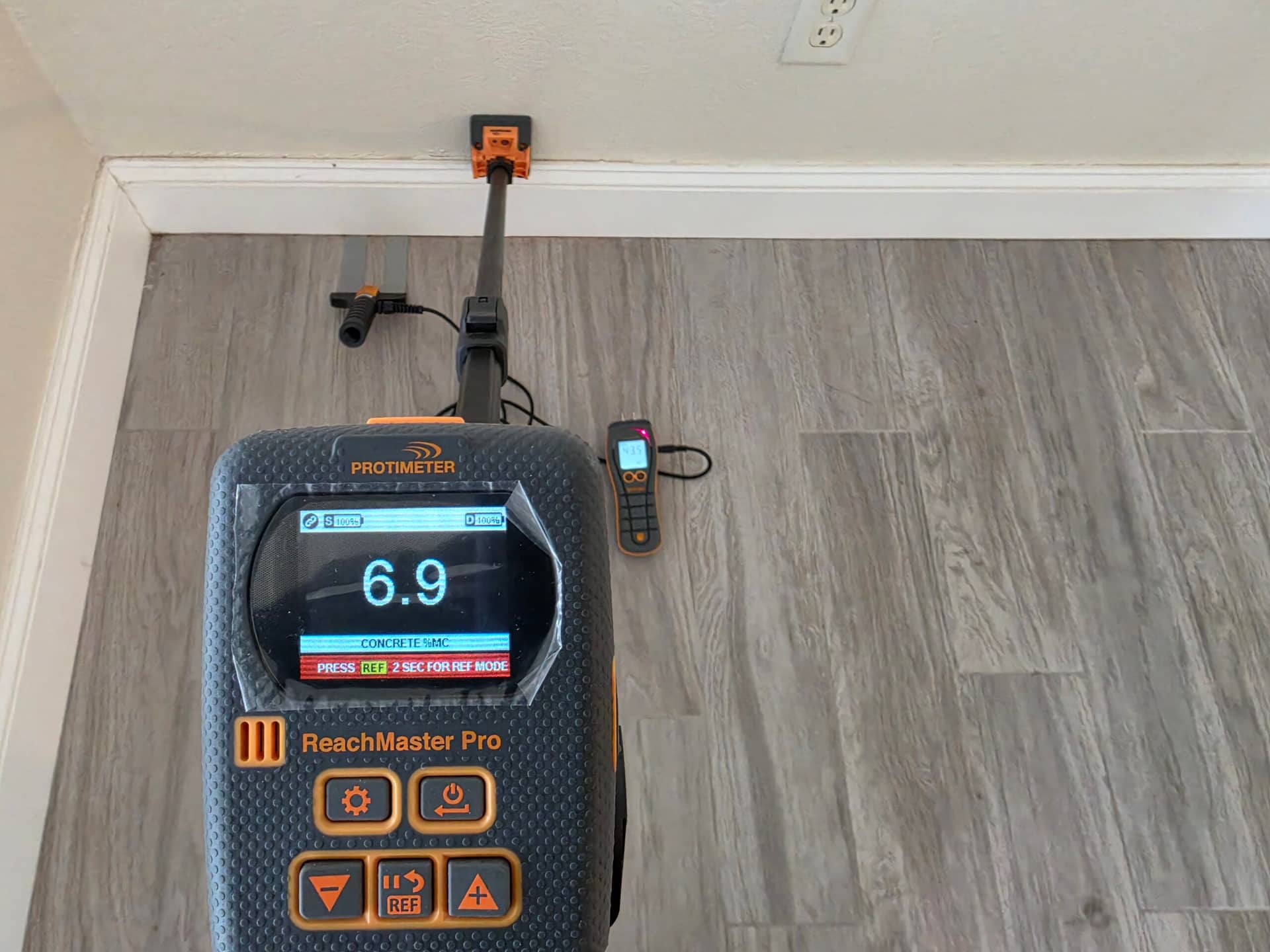
Surveymaster + ReachMaster
With the meter mounted on the pole, we can scan high walls and ceilings for moisture from the floor.

ReachMaster Pro
An extension pole for our moisture meter that lets us check ceilings and high walls without a ladder.
Real Photos From Real Inspections
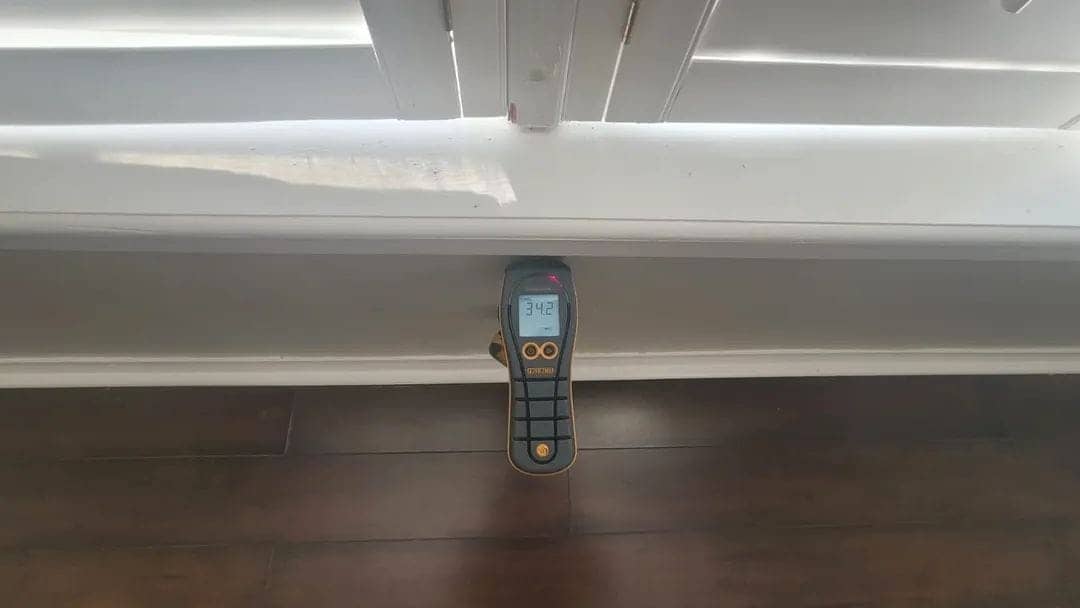
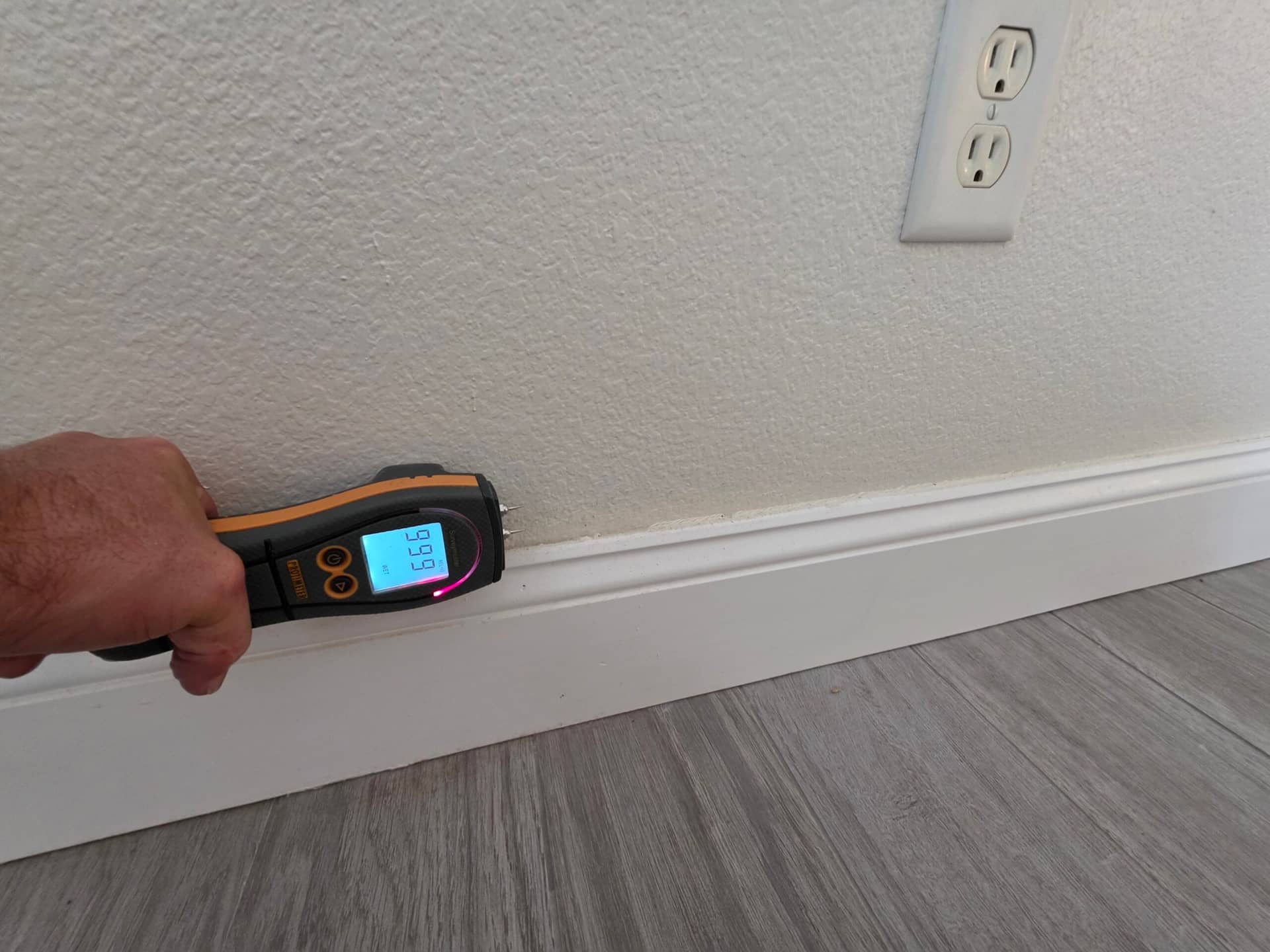
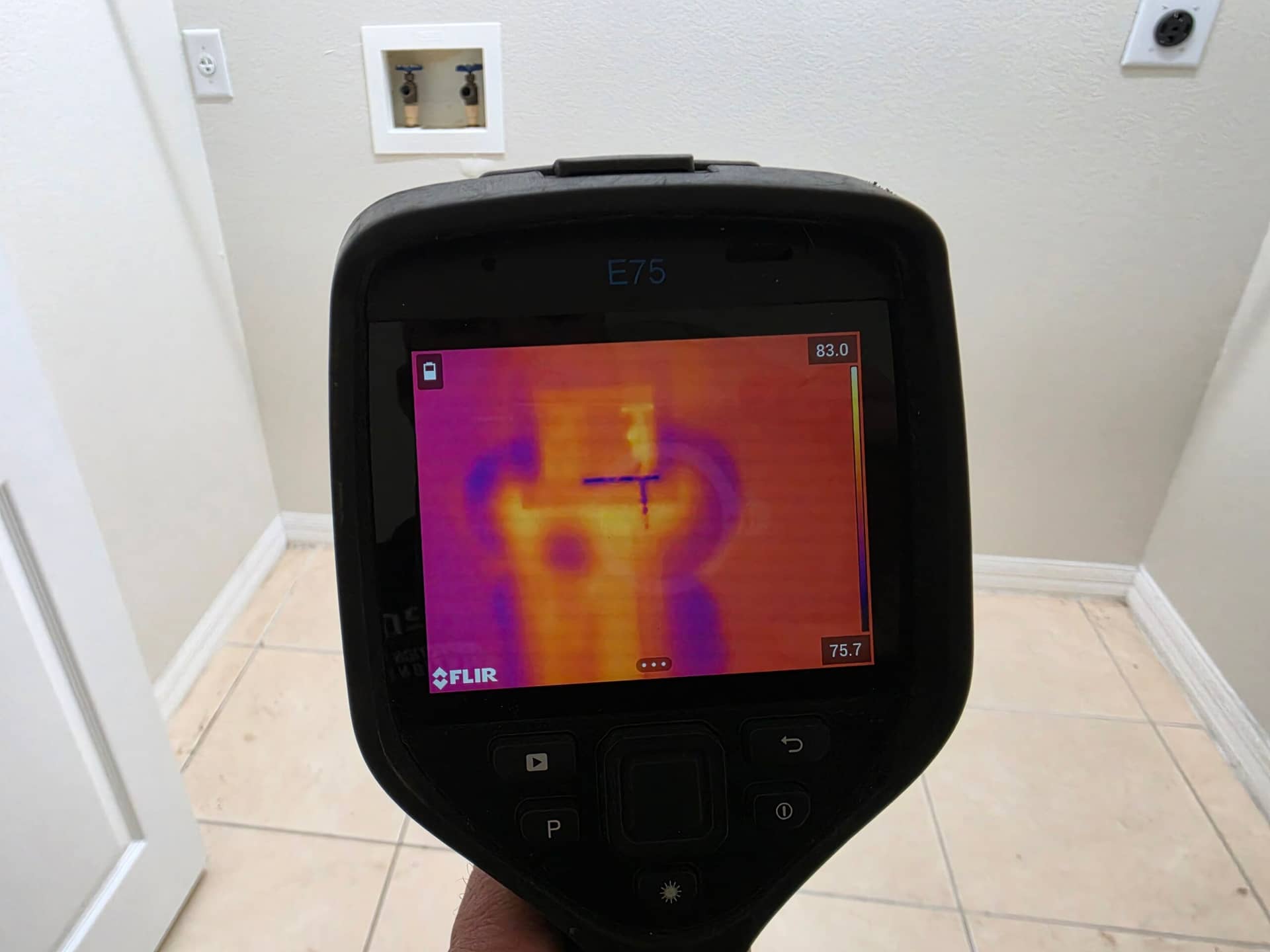
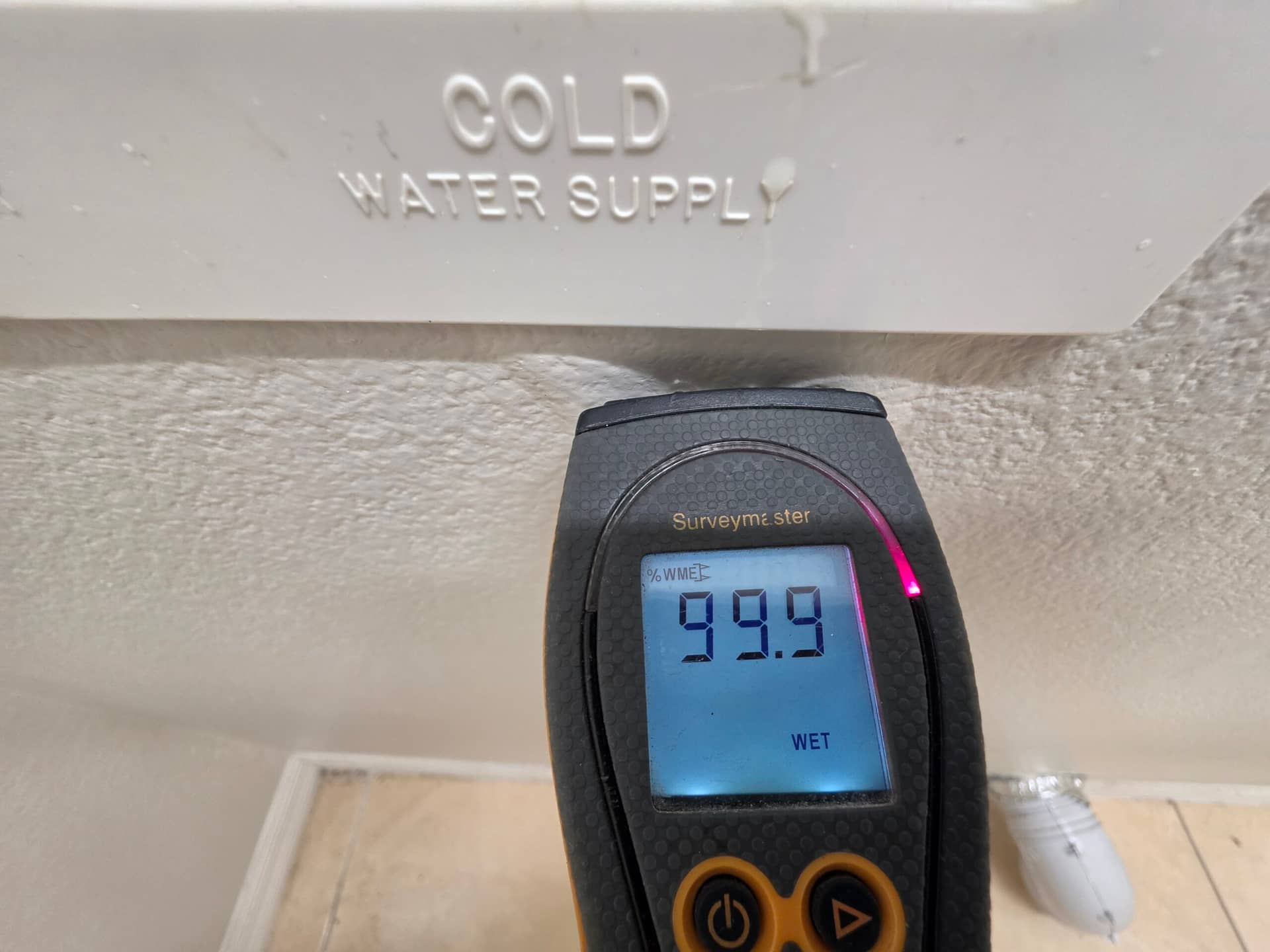
Watch Our Water Intrusion Inspections
Pricing, Scheduling and Your Report
$250
For homes up to 2,000 sq ft. Add $50 for each additional 500 sq ft.
Within 48 Hours
We are available within 48 hours of booking, so you aren’t left waiting after a storm.
Written Photo Report
A written report with photos of each concern, in a format insurers accept.
What Happens If We Find Water Intrusion?
If we find water intrusion, we will recommend a licensed contractor based on the building material that is affected, such as a roofer, a stucco or siding contractor, or a window and door installer. That contractor can do exploratory work to evaluate the source of the water and design the repair. Acting quickly helps prevent rot, mold and a bigger repair bill later.
Common Questions
Does my insurance company require a post-storm inspection?
Some do. Insurers may require one for homes they consider at higher risk, such as older homes, wood frame homes and homes with older roofs. Homes that were under contract in a real estate sale when a storm hit may also need one. Check with your insurance agent, and call us if you’re unsure.
How much does a post-storm water intrusion inspection cost?
$250 for homes up to 2,000 sq ft, plus $50 for each additional 500 sq ft. For example, a 2,500 sq ft home is $300.
How soon can you inspect after a storm?
We are available within 48 hours of booking. Call or text (321) 877-6247 or schedule online.
Do you check the plumbing?
No. This inspection covers the building envelope (roof, attic, exterior walls, doors and windows), not the plumbing supply lines inside the home.
Will my report be accepted by my insurance company?
You get a written report with photos in a format insurers accept. Requirements vary by insurer, so let us know if yours has a specific form.
What if you find water intrusion?
We will recommend a licensed contractor based on the affected building material. That contractor can do exploratory work to find the source and design the repair.
Do I need this if I don't see any leaks?
Not always, but storm water often gets into walls and attics before it shows on a ceiling. Many homeowners book this inspection simply for peace of mind that no water is getting in.
Post-Storm Inspections Across Central Florida
We perform post-storm water intrusion inspections throughout Orange, Osceola, Polk, Lake, Brevard, Volusia and Seminole counties, including Orlando, Kissimmee, St. Cloud, Winter Park, Sanford, Lakeland, Clermont, Daytona Beach, DeLand, Melbourne, Palm Bay, Cocoa and Titusville.
Related Inspections
The roof, electrical, plumbing and HVAC report most Florida insurers ask for.
Show your insurer how well your home resists wind and you may lower your premium.
See what our written reports look like before you book.